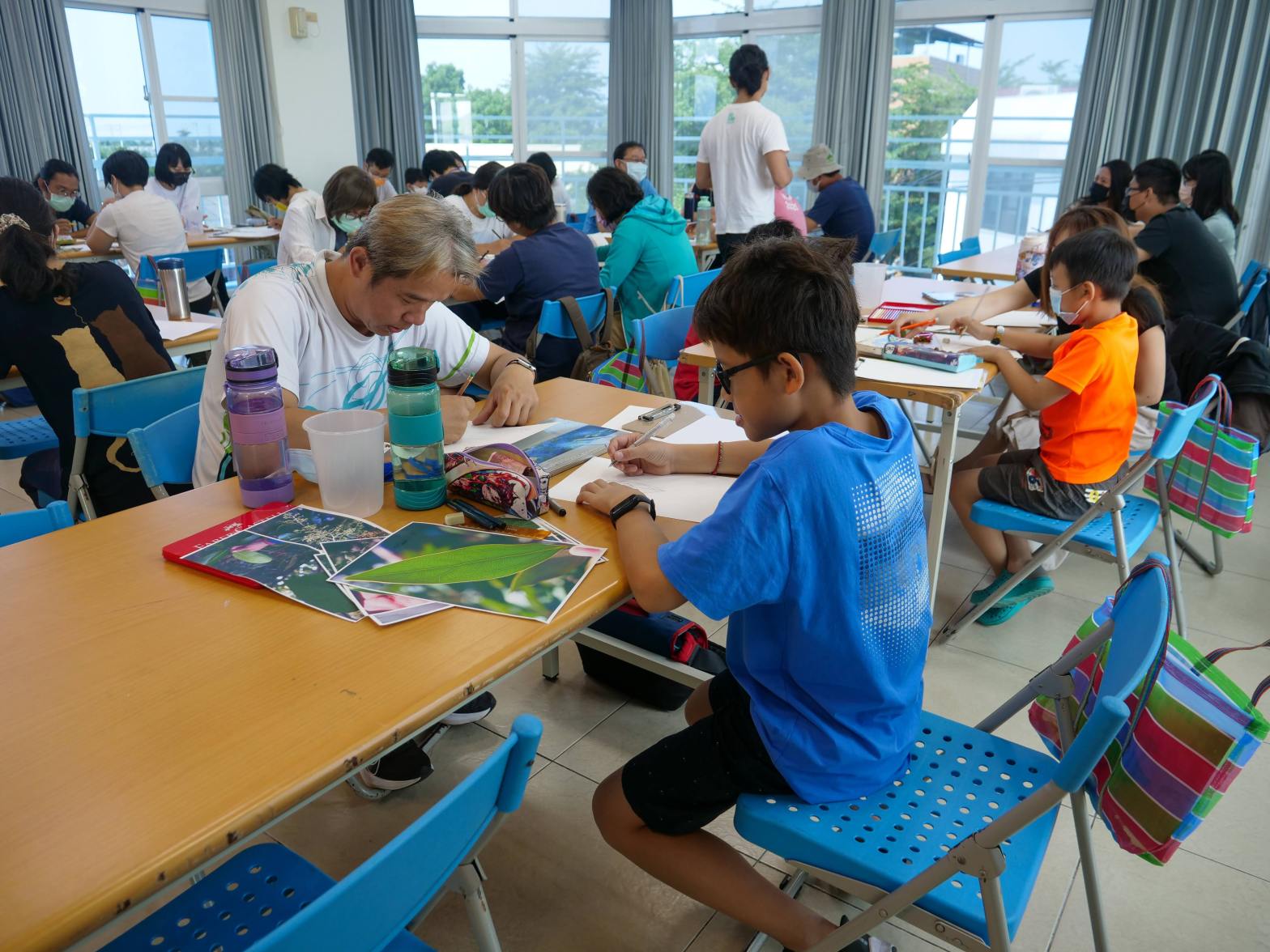
Workshop info:
Date: May 2, 2021
Location: Taimei Education Foundation
Add: No. 2-1, Fengzhen Rd., Zhutian Township, Pingtung County, Taiwan
Web: http://www.taimei.org.tw
Day 2 – Schedule:
09:00 – 09:30|Taimei Libary
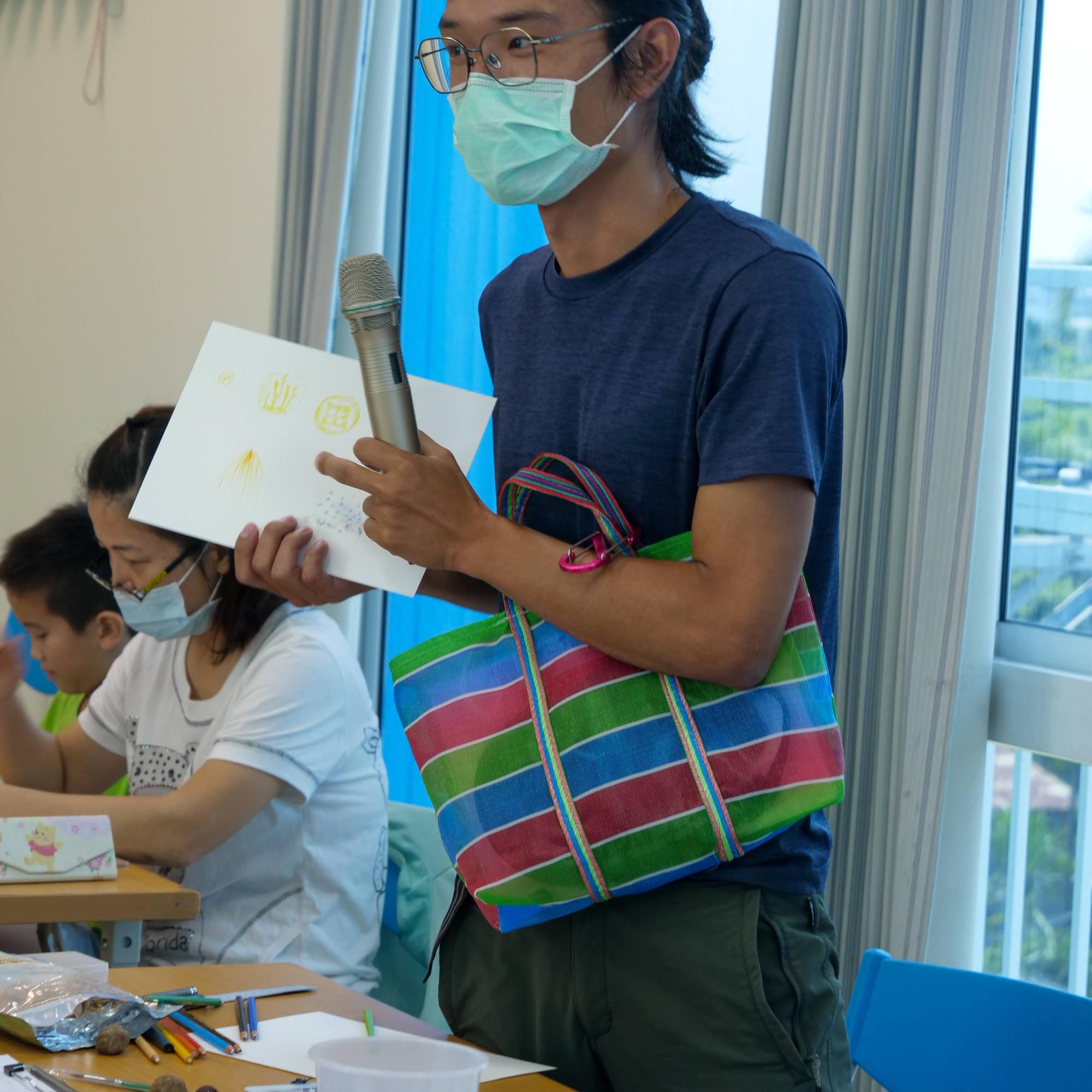
09:30 – 10:00|Sharing by participants
10:00 − 12:30|Herbarium & Drawing (Hsin Chieh Hung & Keting Chen)
At the beginning of the workshop, we invited participants to memorize the plant and sketch down the shape, detail, and color. There are so many species in the tropical botanic garden; participants explained why they had the impressive moment with seeds, stems, leaves, and so on.
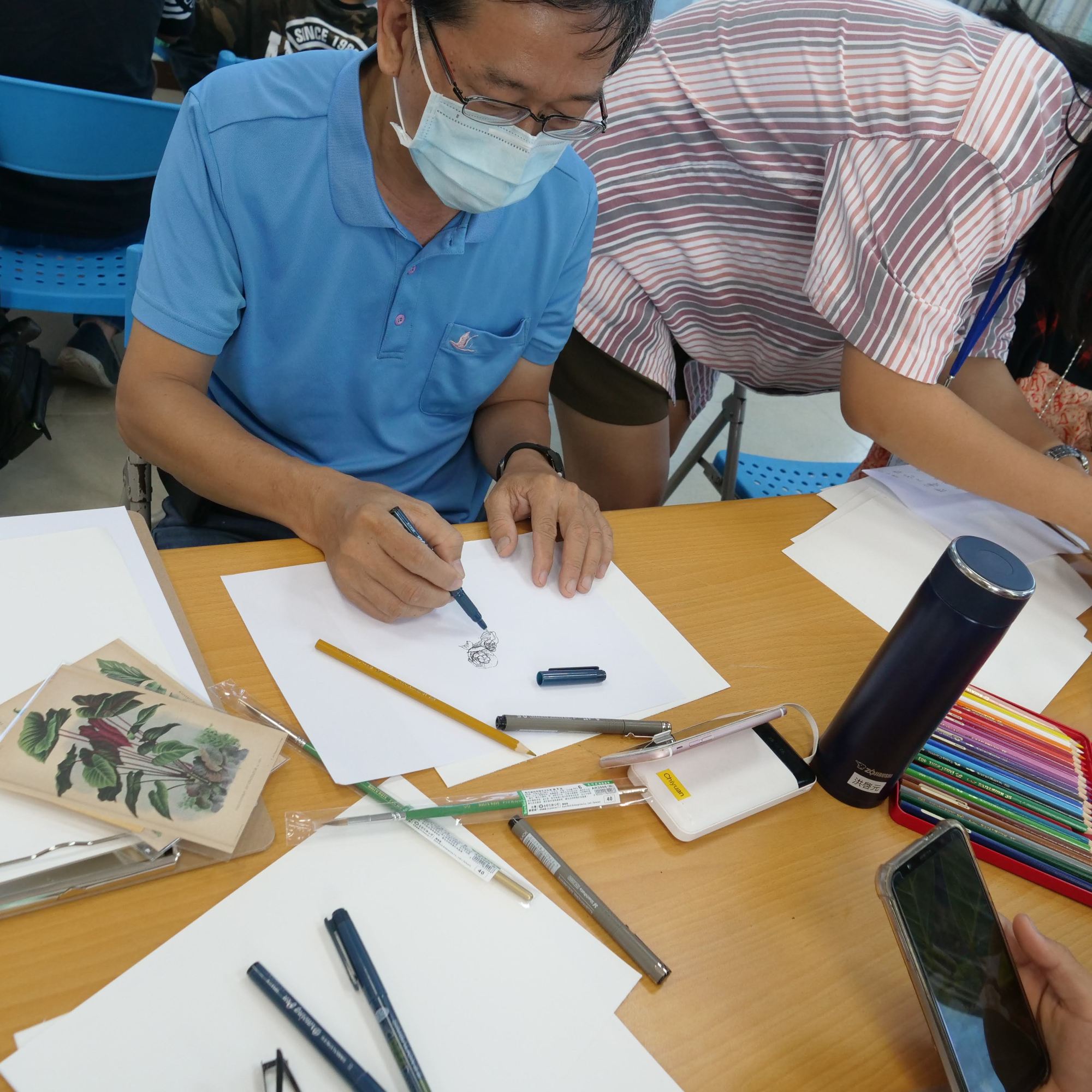
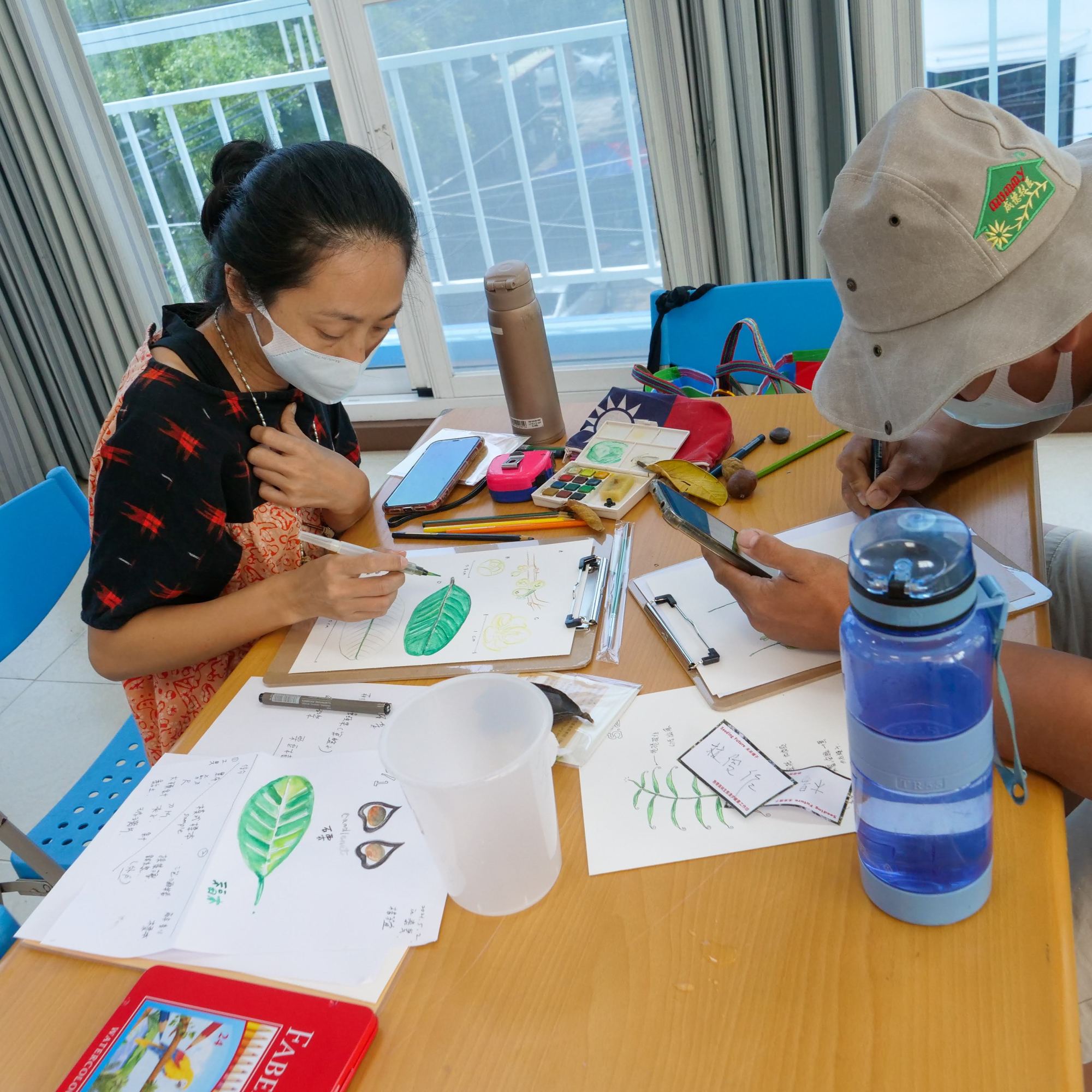


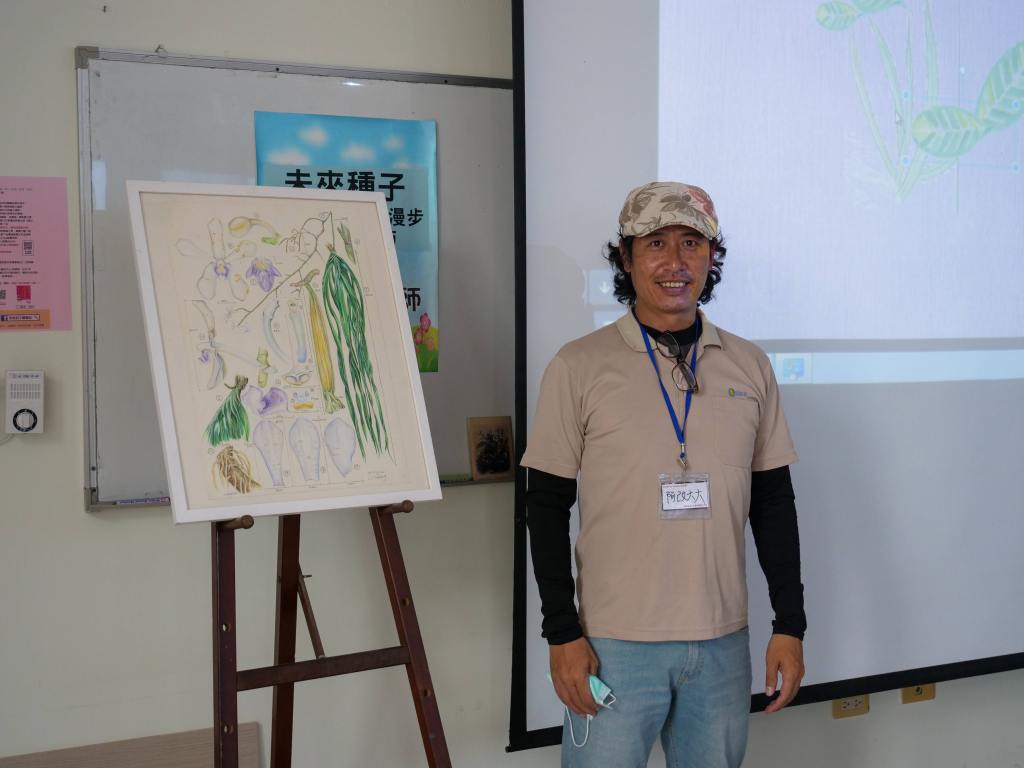
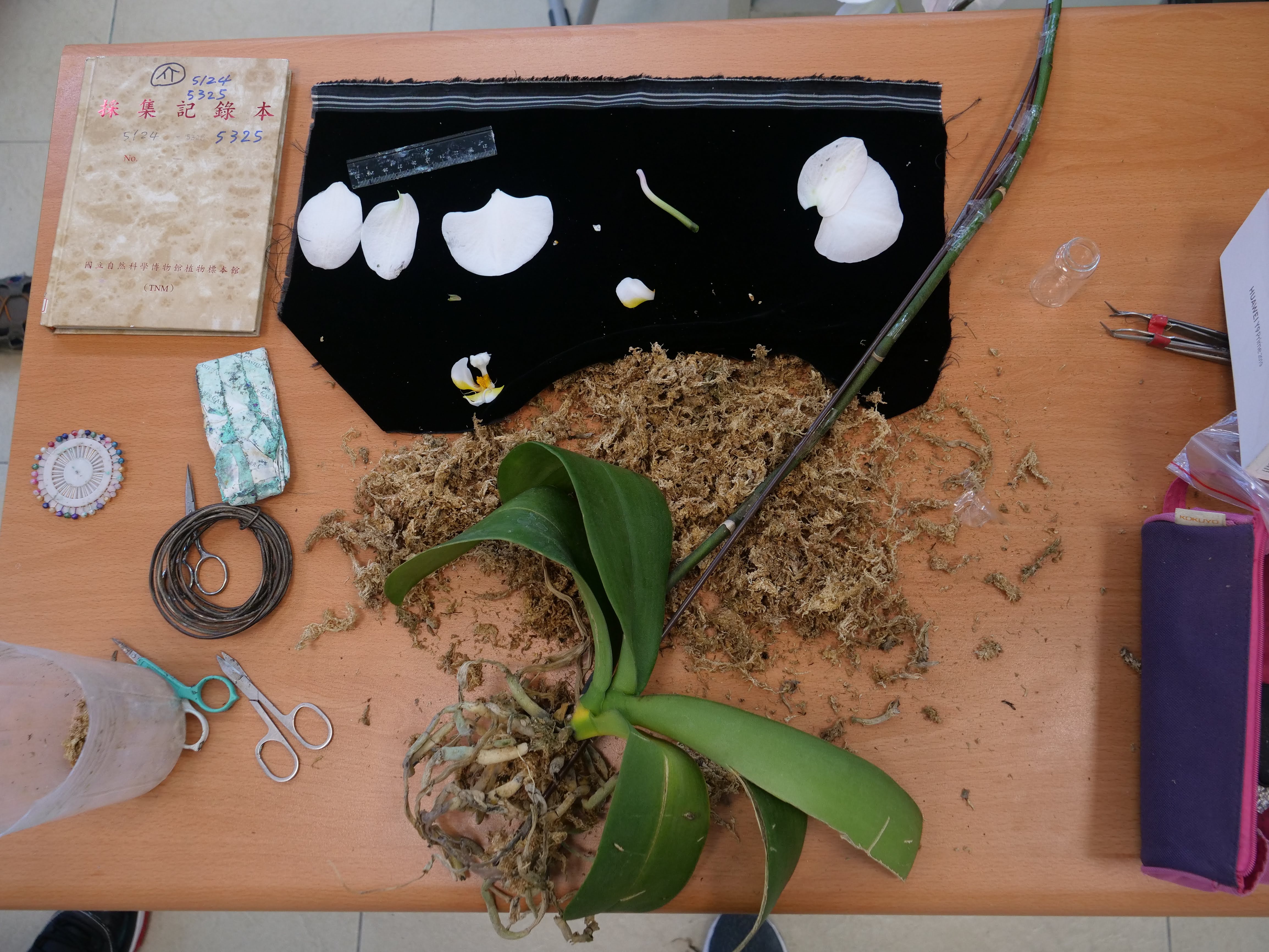

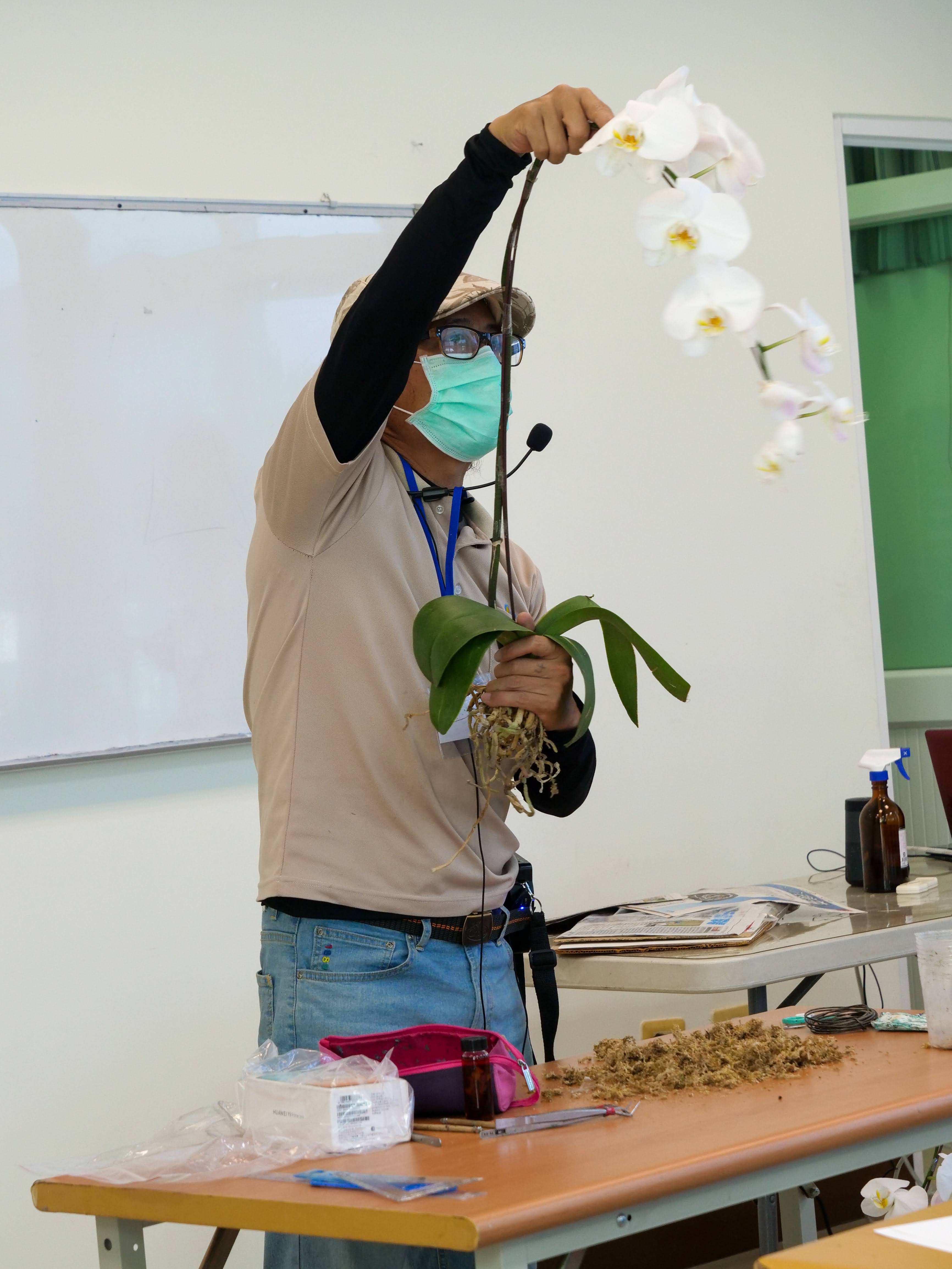
Uncle A-Gai is very familiar with orchids and using them as the sample of making herbarium. Collection of botanical material involves two activities—gathering the specimens and recording the information.
Even if you have a relatively good knowledge of the local flora, you may not be able to accurately identify all plants in the field. During vegetation sampling, collect representative specimens of all species that are important to meet your collection needs (except for known rare and endangered specimens, which can be photographically recorded).
These specimens will later be used to confirm identification and provide a permanent record for future reference. Your collection may also represent a range extension or contribute to the knowledge of a plant’s taxonomic or natural history. It may also show the ‘‘plasticity’’ or variations possible under different habitat conditions. Be sure to record accurate and consistent habitat information when collecting the specimens—it is generally difficult to remember and accurately record it later.


Arrangement of dried specimens on herbarium sheets. & Placement of glue or linen straps across mounted specimens.
Think more: Before you collect – do you have permission? If you are interested in collecting specimens, you can find more info here to make good specimens.
Let’s draw!


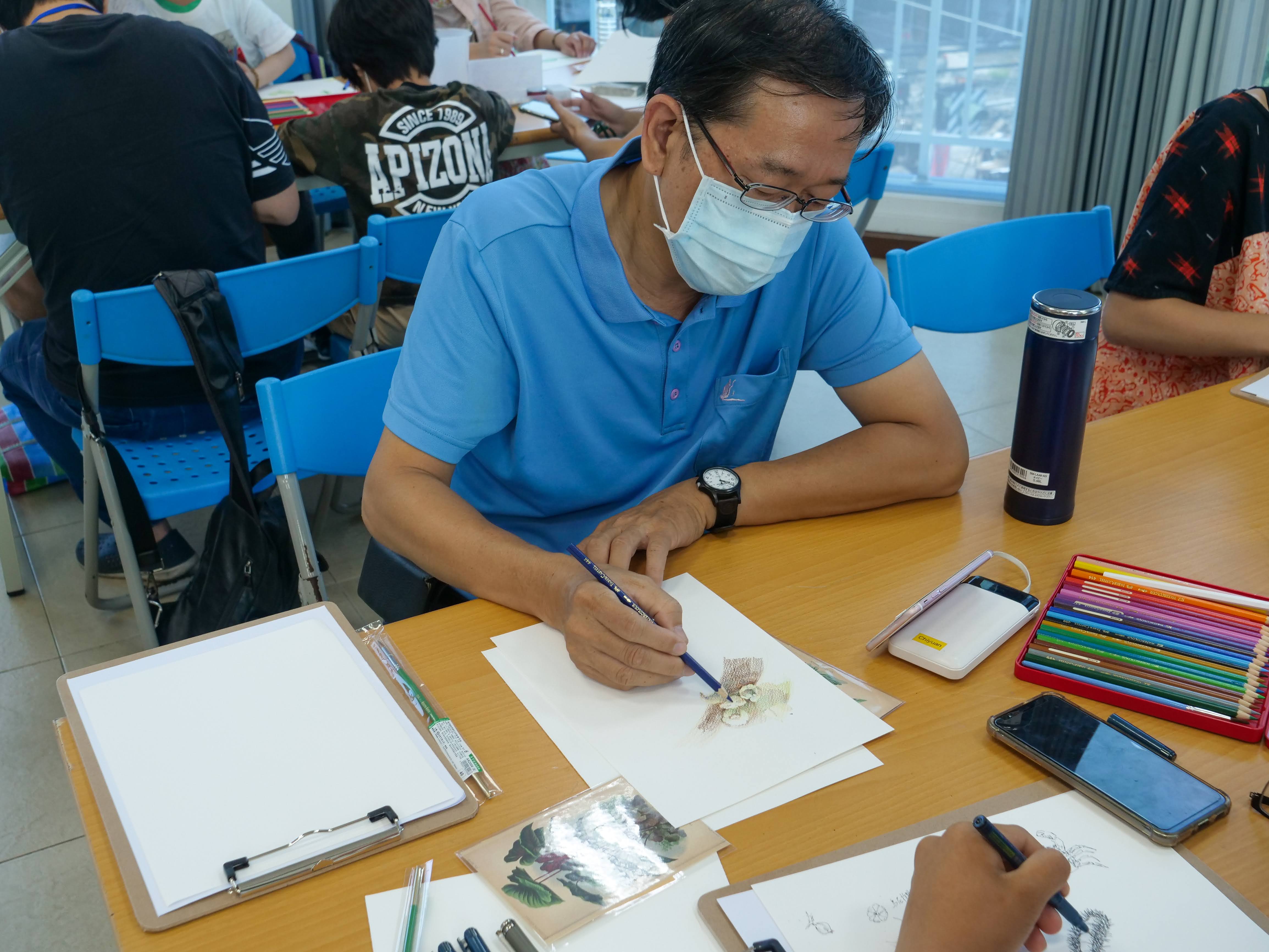

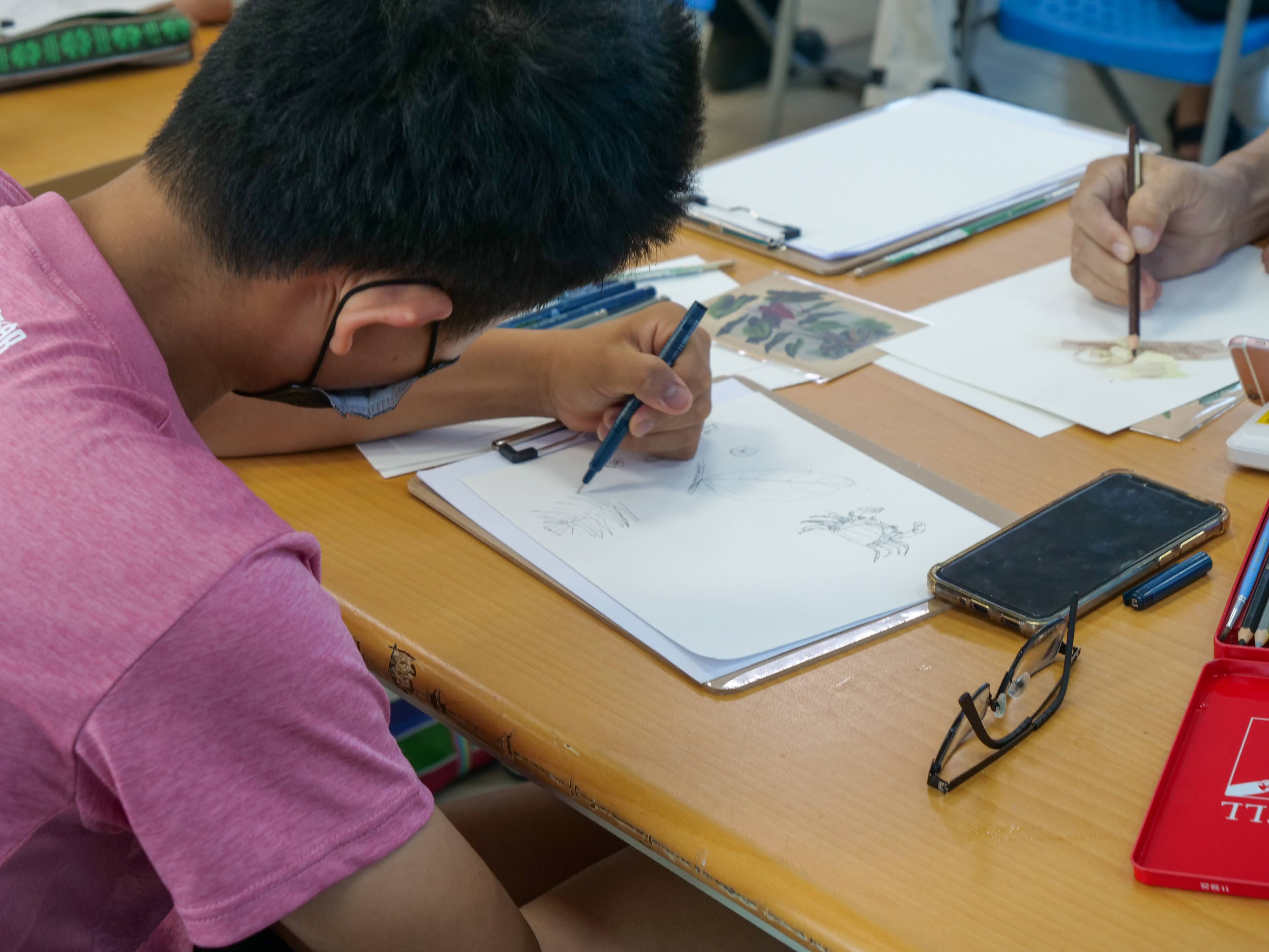
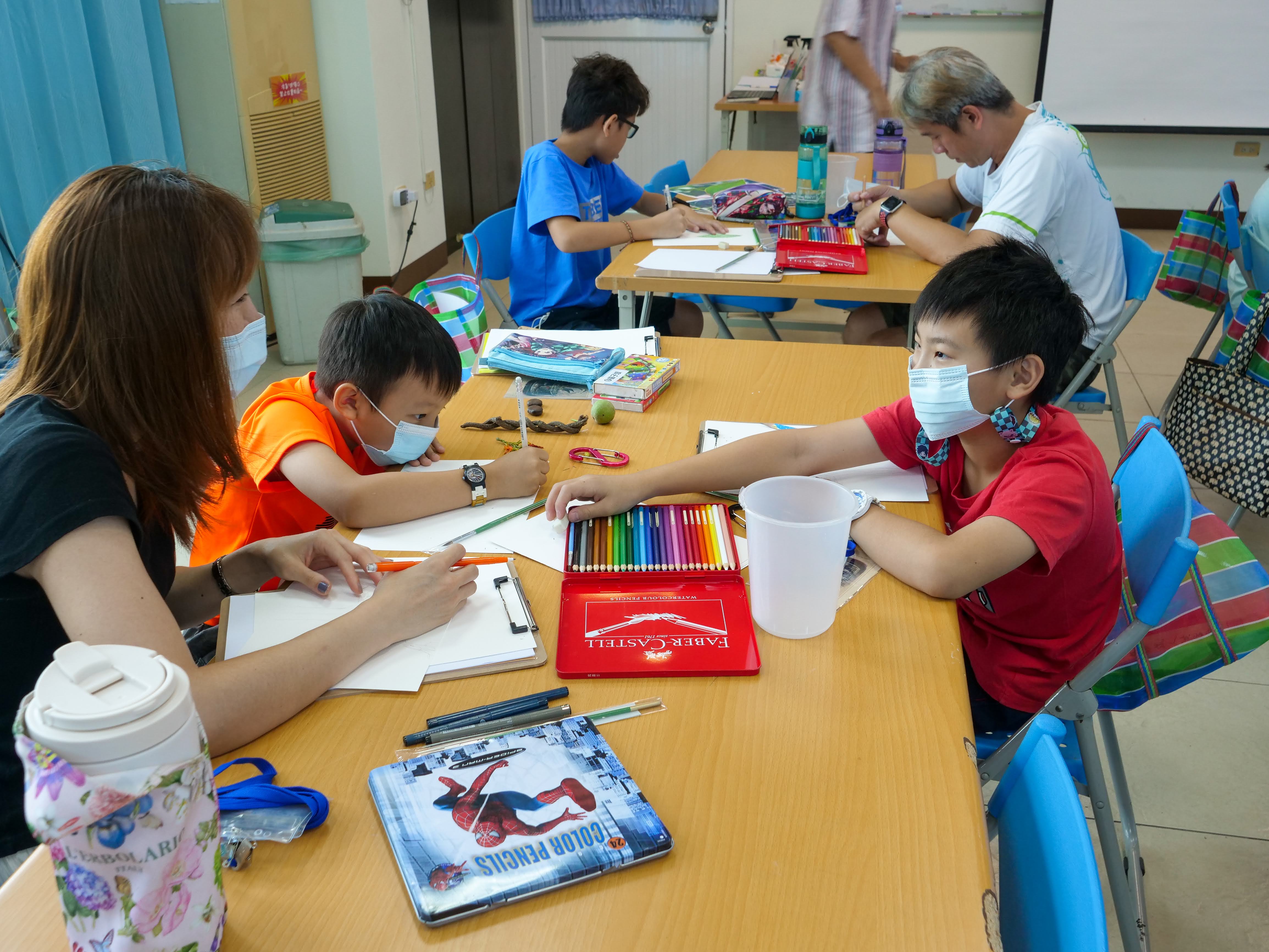
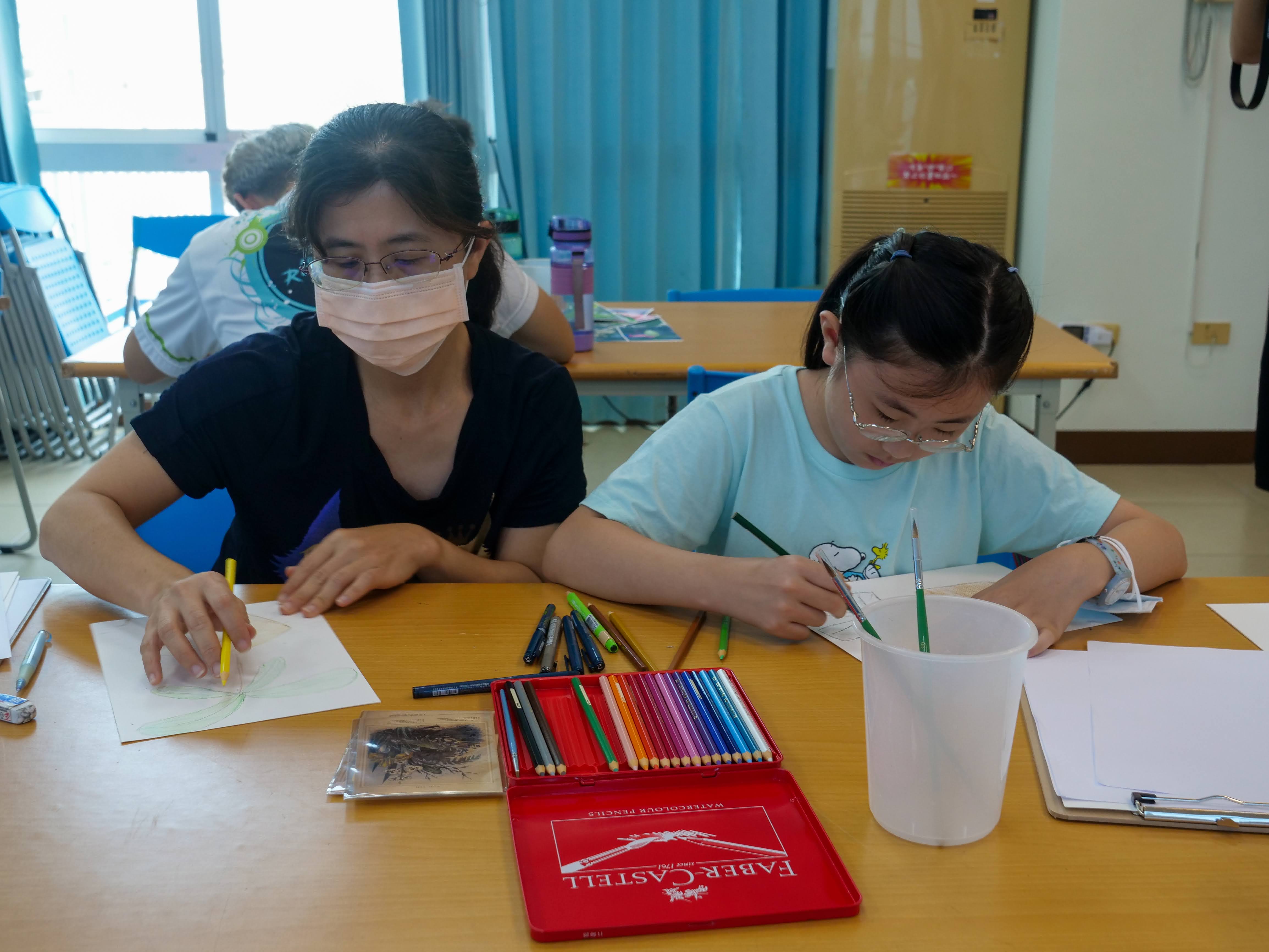
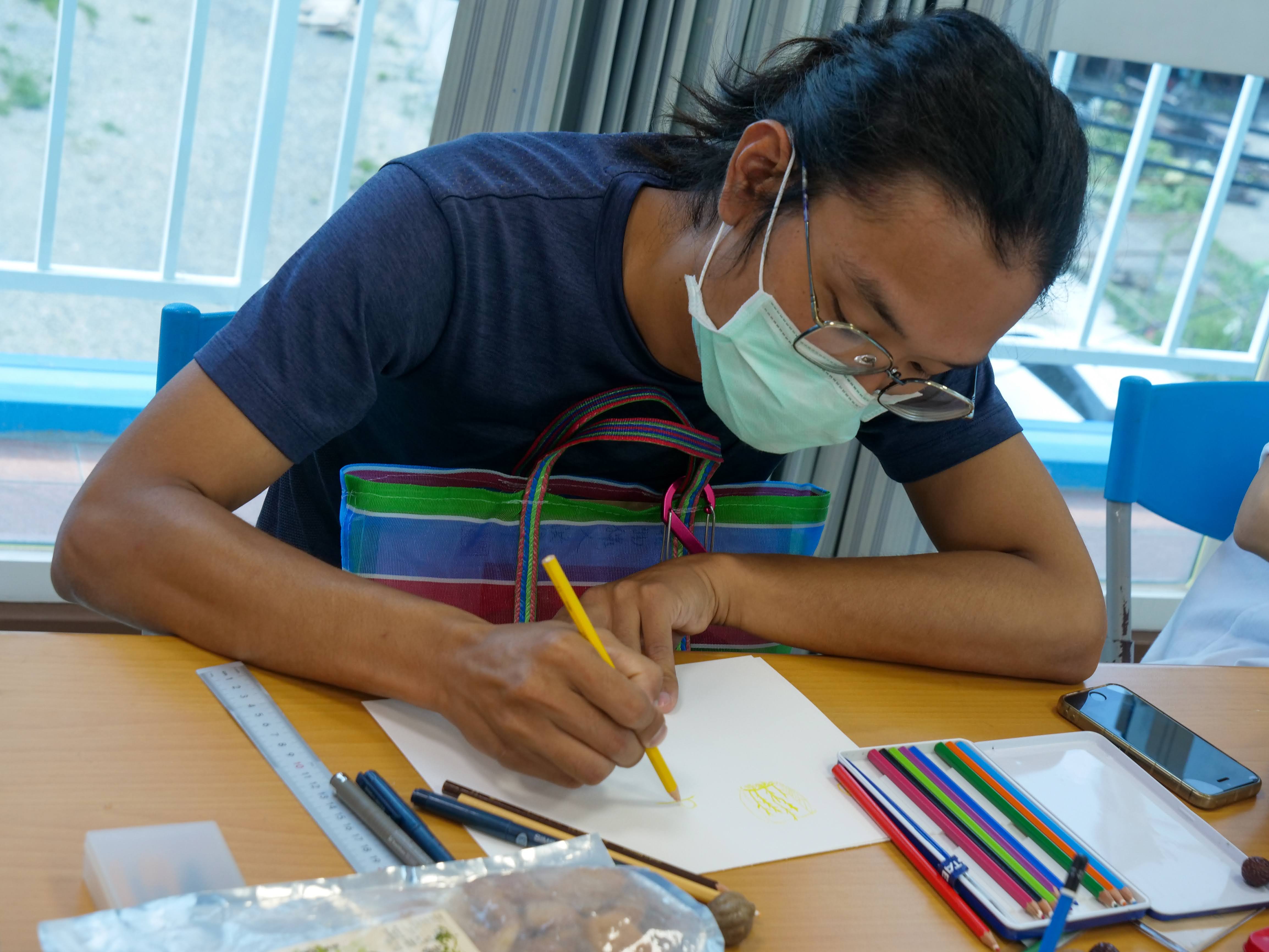

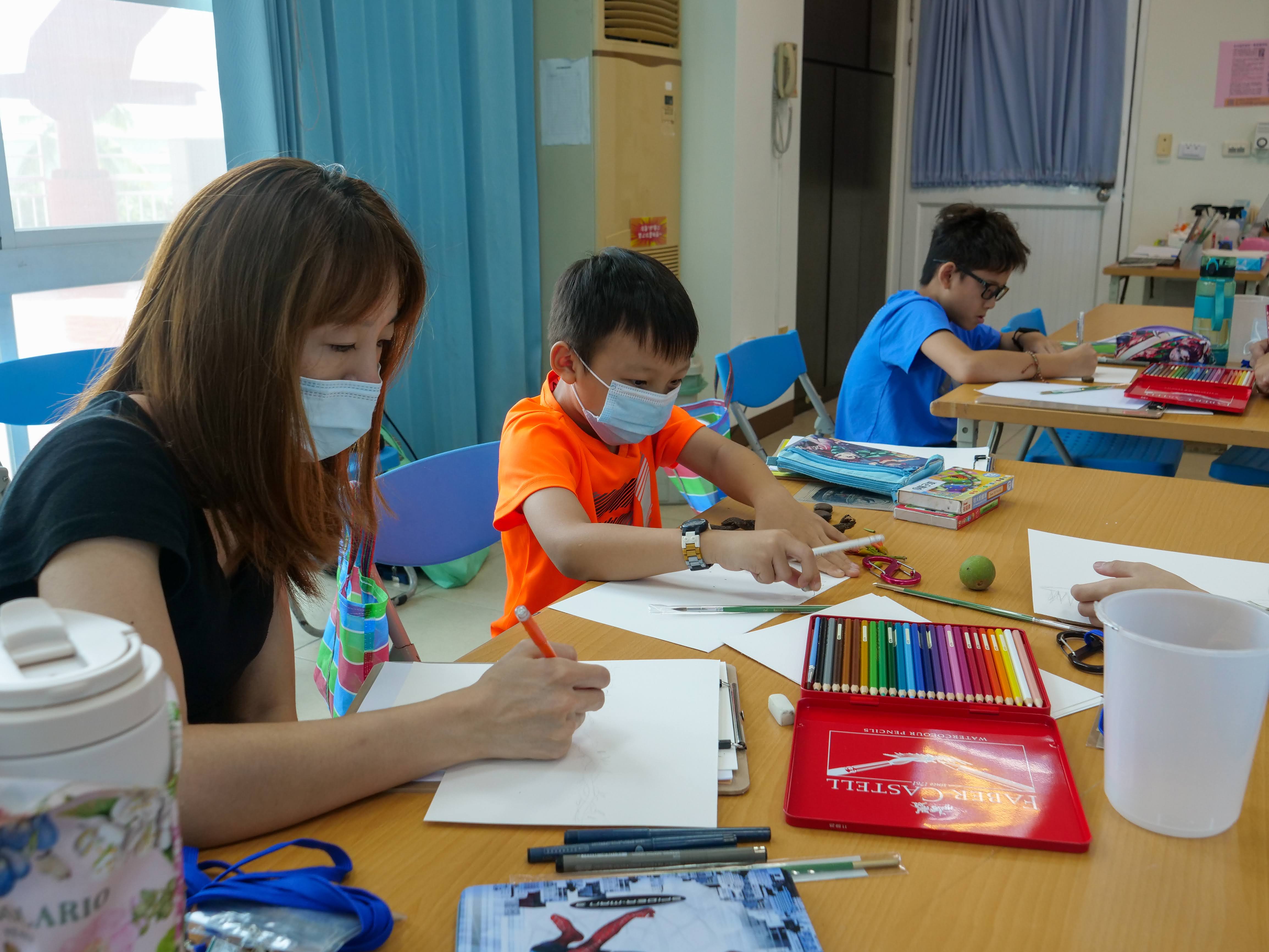

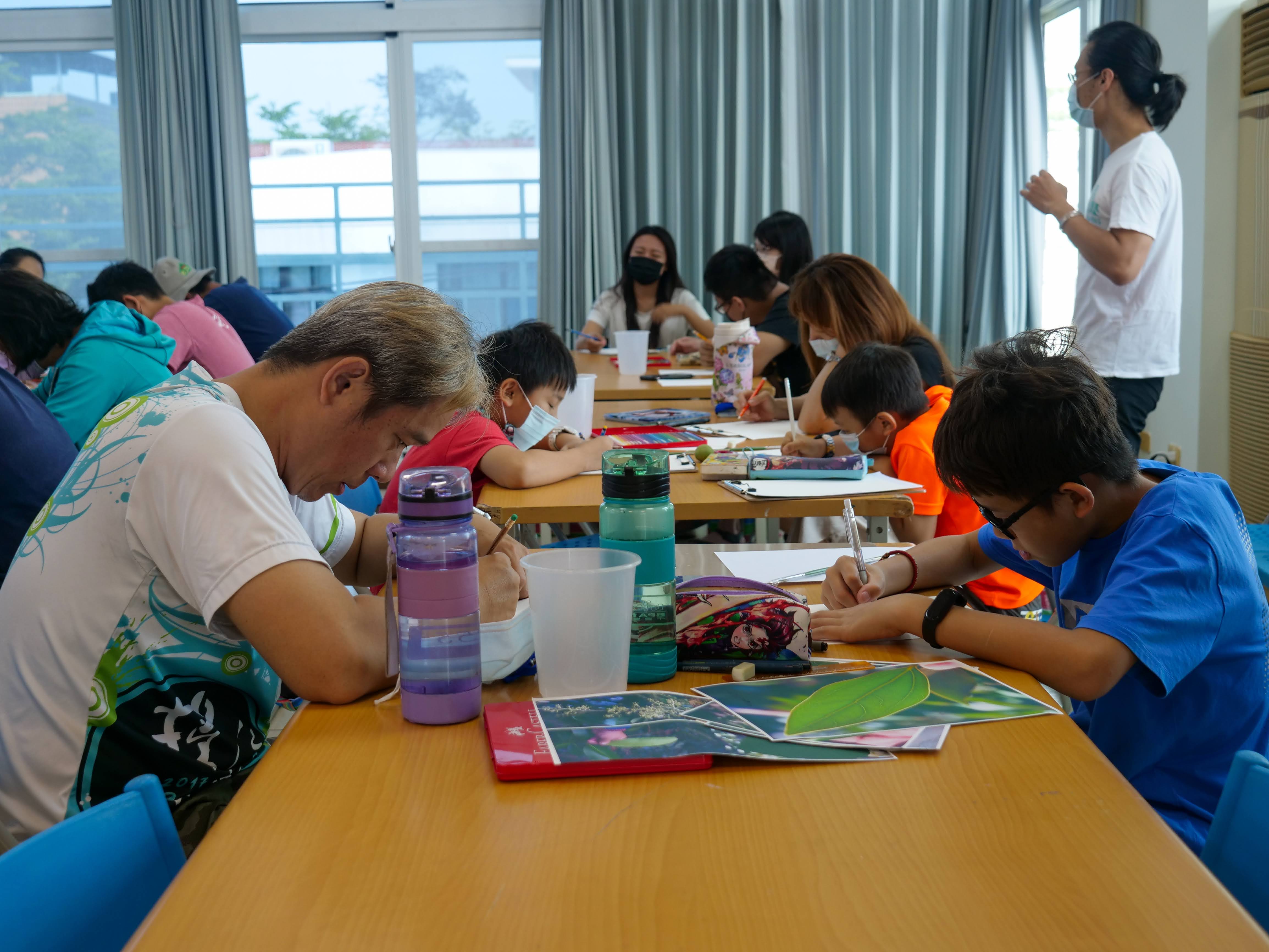

After drawing, we create the collaborative platform which you can find the tropical plant elements from seeding future participants, and now it’s very easy Shaping Your Forest.

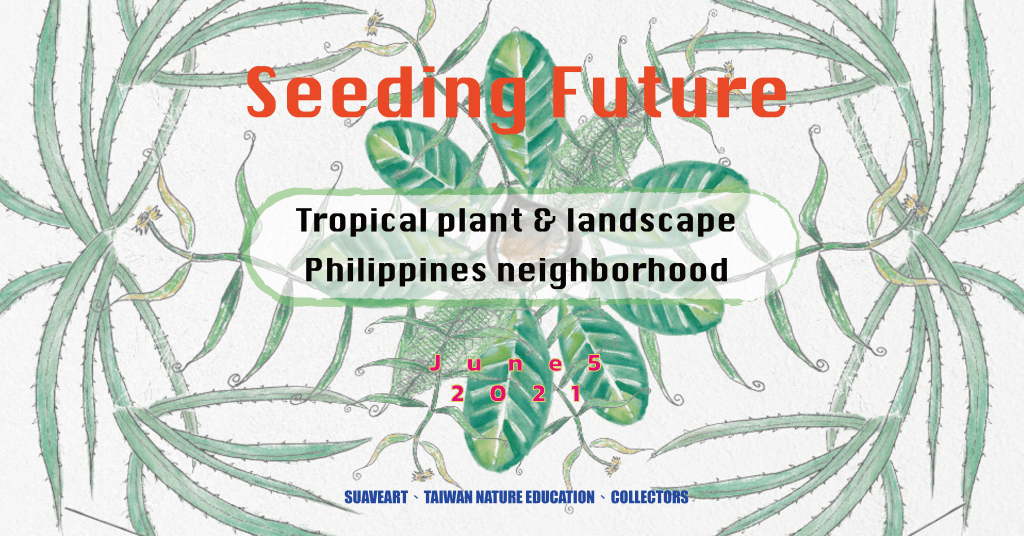
Meanwhile, due tho the pandemic, our next online workshop will be conducted by artist Catalina Africa in Philippines. Click the photo and know more details!
✣ Lecturer introduction:
❈ ❈ Trevor Padgett
Trevor from Canada has lived and worked in Taiwan for 13 years. As a (tropical) forest ecologist and ecology teacher, he often serves as a nature guide for international researchers and students. He is currently a director of GLUE, a non-profit educational organization, and the founder of Taiwan Nature Education, a bilingual ecological education institution. Trevor often writes articles about land crabs and sea turtles in Taiwan for international magazines. He is an enthusiastic volunteer of the land crab conservation project in Kenting. He is also the photographer and editor of the forthcoming publication of the “Nanren Mountain Plant Guide" for tropical lowland rain forests.
❈ ❈ Hsin Chieh Hung (A-Gai)
A-Gai, who has the title of plant hunter in the plant academia, is currently working at the KBCC, the only world-class plant conservation base in Taiwan. In addition to collecting and caring for plants in the wilderness, he always takes a camera to capture the beautiful moments of plants and conducts delicate scientific painting and creation. He just participated in an exhibition at the Chiang Kai-shek Memorial Hall. He hopes that everyone will understand the importance of plant conservation and the preciousness of Taiwan’s forest resources through getting to know him.
❈ ❈ Chen Keting
Graduated from the Institute of Plant Pathology, Chung Hsing University, he is an atypical artist, claiming to be a collector. Initially engaged in biodiversity research and concerned about life and environmental issues, endophyte research has entered tribes and villages, concerned about how people and nature can coexist forever and put traditional wisdom into practice in contemporary society. Now He is returning to hometown, Xinbei Pinglin, to set up a collective workroom for collectors to organize old houses and gardens. In addition to participating in art projects and farming, they also enter the local area by introducing resources and cooperating with communities and schools, hoping to combine agriculture, life, and skills and a sharable sustainable studio.
✣ Organizer:SUAVEART
✣ Co-Organizer:Taimei Education Foundation, Taiwan Nature Education, the Collectors
✣ Sponsor:National Culture and Arts Foundation
 Seeding Future
有一則關於 Workshop vol.2|When botany meets art – Herbarium and Drawing (TW) 的留言