
As one of the new series of public education activities of the Hao Museum of Art in 2020, “HOW Art +" will highlight art as the base point to connect with multidisciplinary discipline leaders form each project. Different disciplines and viewpoints will have a fantastic chemical reaction with creativity, allowing art to break through the physical boundaries forced to be established between people, society, and art galleries, to achieve spiritual cohesion and to draw strength through technique.
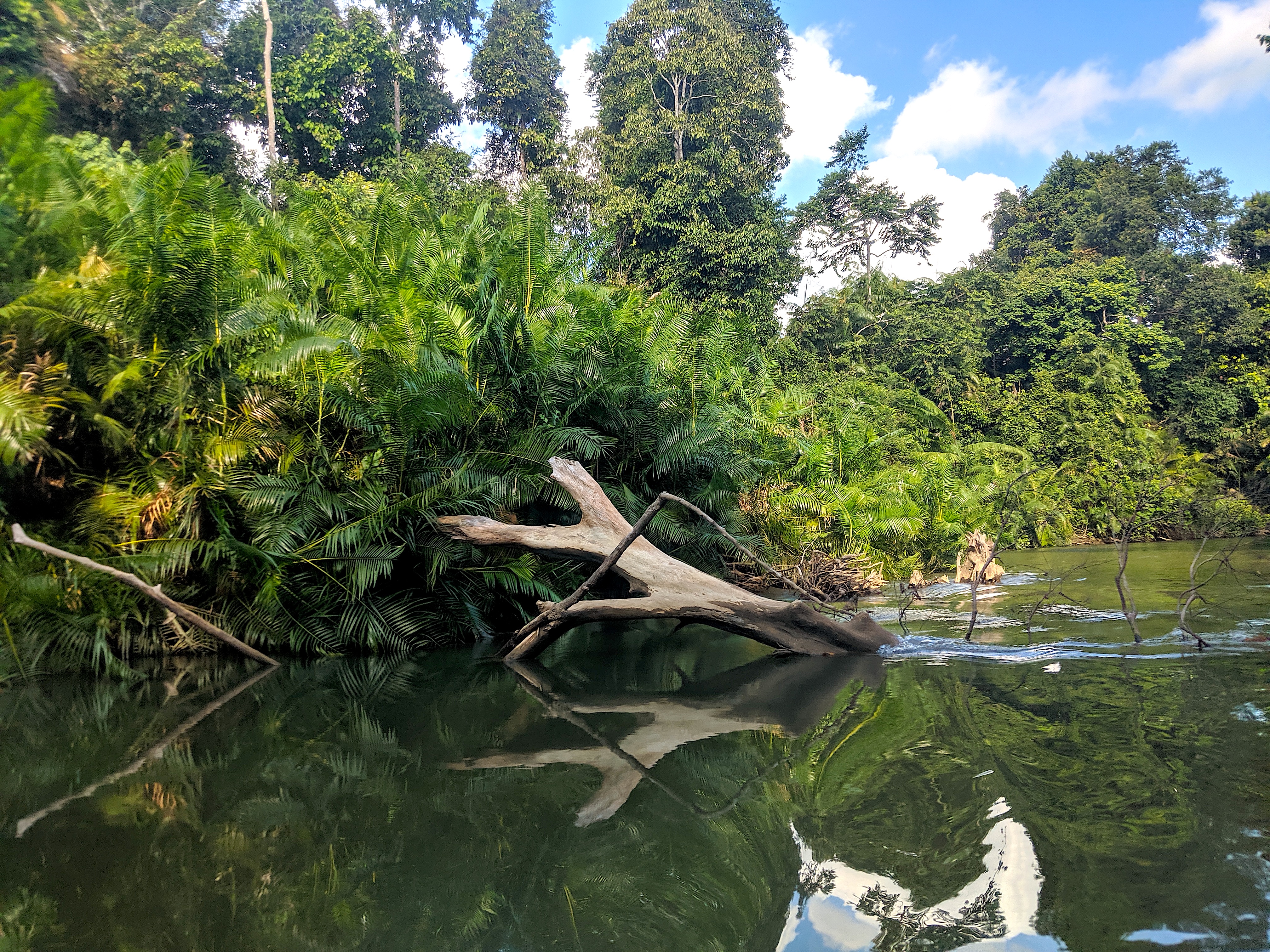
Click on the audio, close your eyes, and imagine that you are standing alone on a tree trunk covered with moss and fungus, trying to stabilize your footsteps. You are surrounded by a dense forest and cicadas, and the sun penetrates the gap between the trees, muddy. You are smelling the fallen leaves, it is strong and fresh.
You are hearing the distant branches have hornbills looking back, and the gibbons’ high and low whispers are carried out everywhere. In the rainforest, the residents were hidden, and the voice became the master of the five senses.
Everyone’s imagination about the rainforest is different. You may be a little scared, or you may be fascinated. The products you use, the nutrition you intake, and the choices you make every day may come from the rainforest. It will affect the rainforest more or less. Whether in terms of ecology, culture, or socio-economic aspects, the rainforest has already existed in your life in a variety of ways (being) and integrated with you.
“Seeding Future – Tropical Rainforest Research Project" is an environmental experimental project initiated by suaveart, inviting curator, artist, designer, scientist, journalist, and researcher to go together at the equator zone. Inside the tropical rainforests, the collaboration of “art + science + environment" is carried out.
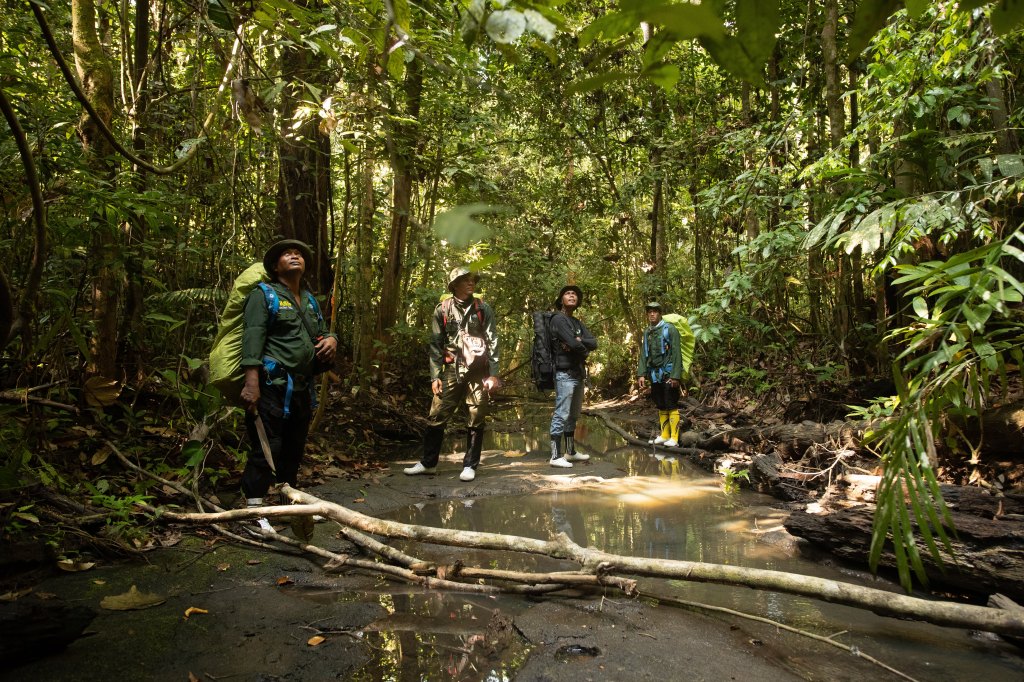
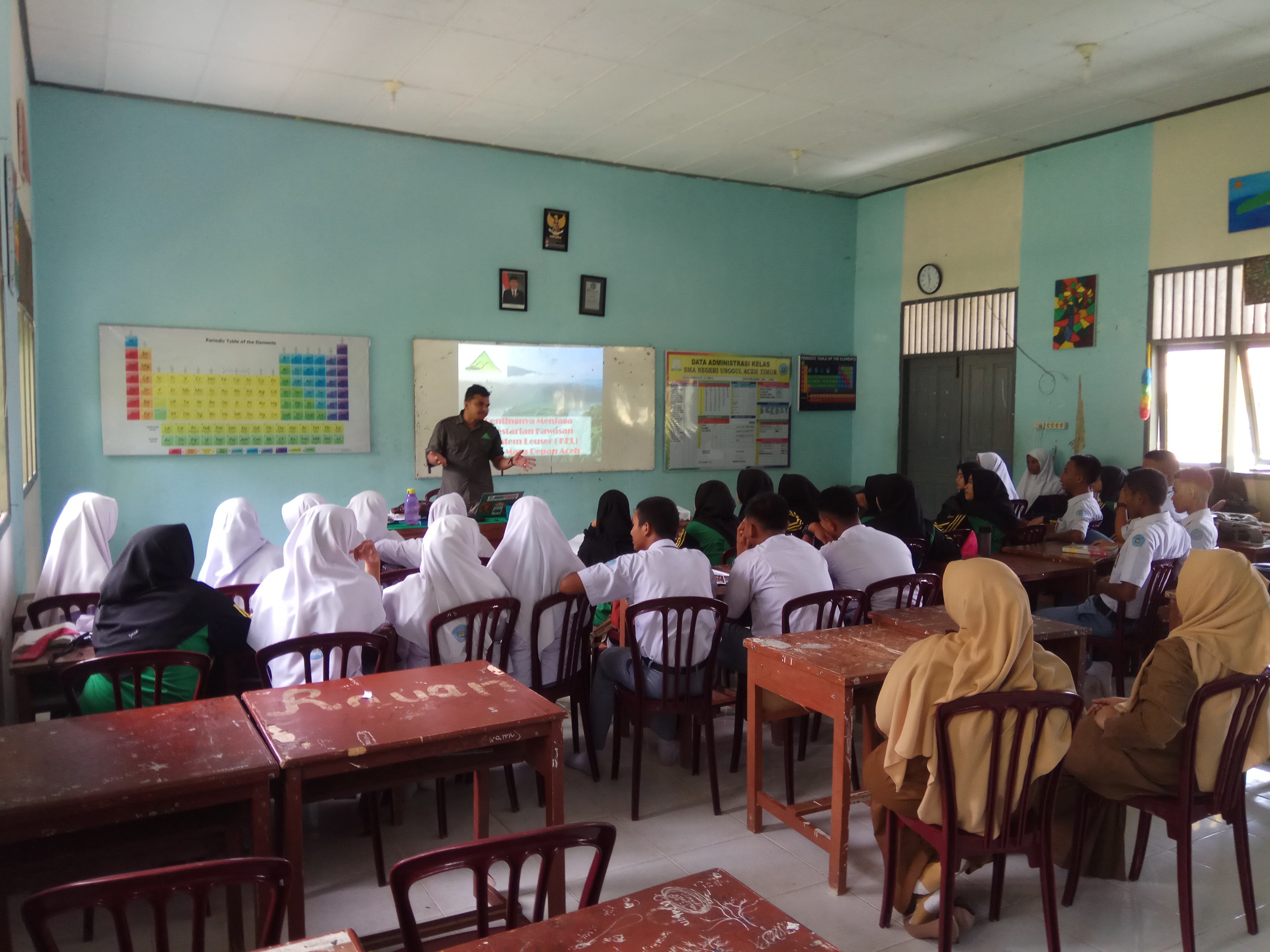
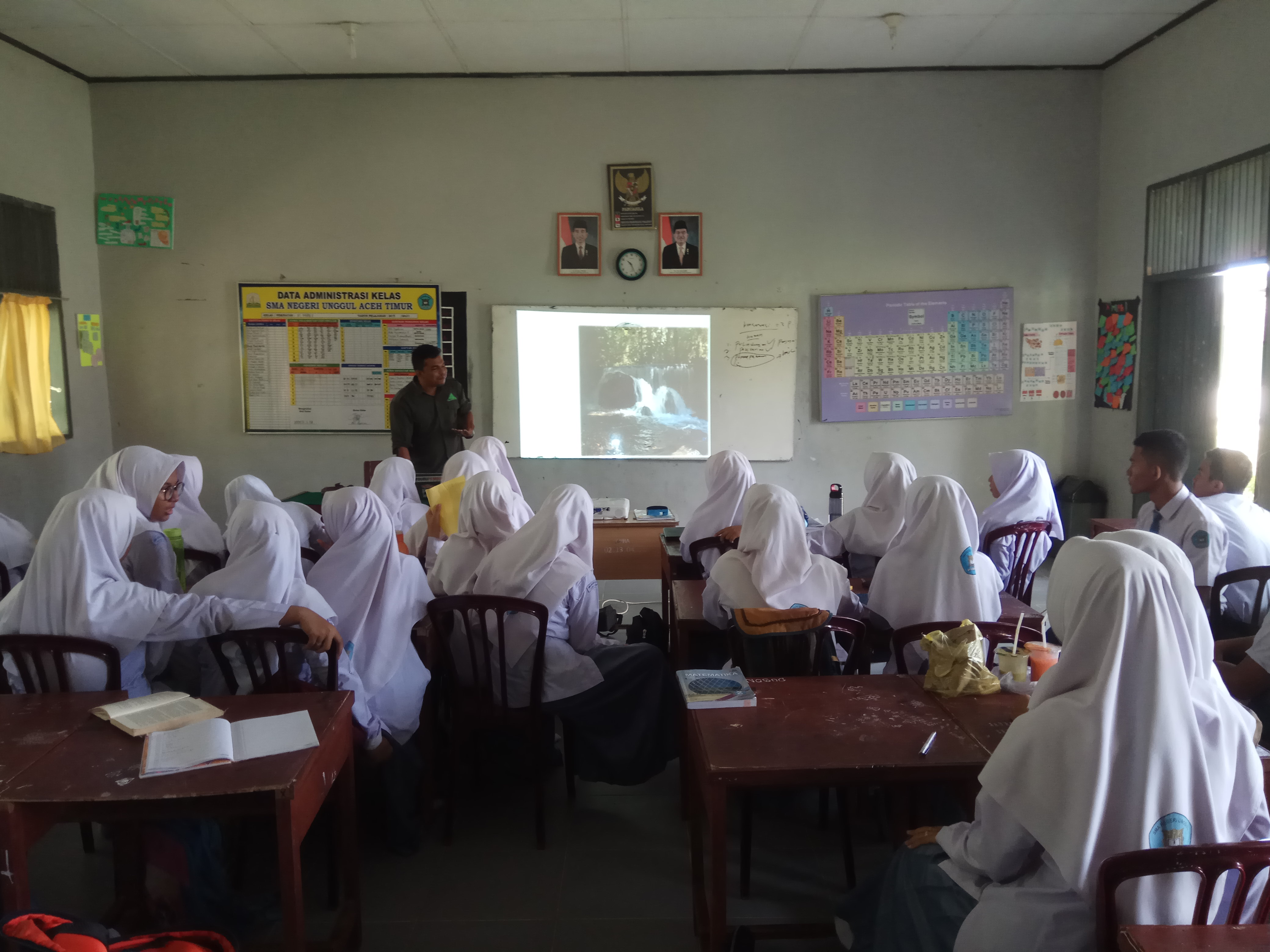
In 2019, members of the program went to the Leuser Ecosystem in Sumatra island to collide with international researchers and forest protectors who study orangutans, butterflies, and birds, and think about the sustainability of the environment and ecology. We are trying to rethink the current problems, and representing views of the environment and climate change issues from images, videos, artist creations, and publications.
One member said: “The rainforest issue is closely related to our lives. In the wave of globalization, every choice we make will have a butterfly effect. It is precise because of this that we should know how to cherish every resource. I look forward to what kind of impact and sparks artists will have when they stay in the research station for a long time."
Plant researcher and artist Chen Keting: “The rainforest project has finally came true. I have a real glimpse of the rainforest and see the live status of the researchers, staff, and the rainforest. The rainforest is not only protected but also a symbiotic environment."

Curator of suaveart

members of seeding future
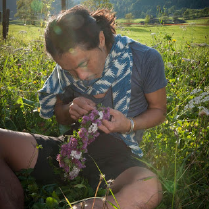
members of seeding future

Communication manager of HAkA

Indonesia Artist
Vol.3 Seeding future: the distance between the rainforest and us|©How Art Museum
Host |
Hello, everyone. Welcome to “Howart+”. In this episode, we are going to discuss the relationship between art and ecology with our guests. This time, we invite Lee Yi-pei, the Curator of Suaveart, members of Seeding Future Project, Chang Hsiao-ling, Chen Ke-ting, Indonesian artist Bagus Pandega, and Indonesian Environmental NGO HAkA. Welcome. First, let’s talk about the ecological thinking and cultural practice in the contemporary arts of Southeast Asia.
Q1: Could you please share the overall relationship between ecology and culture within your research field or creation?
LEE Yi-pei |
I have focused on the field of Southeast Asian contemporary art since around 2008. In the early stage, I cared about how artists entered into contemporary art scene receiving Western Fine Art education after 60s, and afterwards, most of my projects talk about social issues, ethnic diversity and the impact of the artistic practices toward the society.
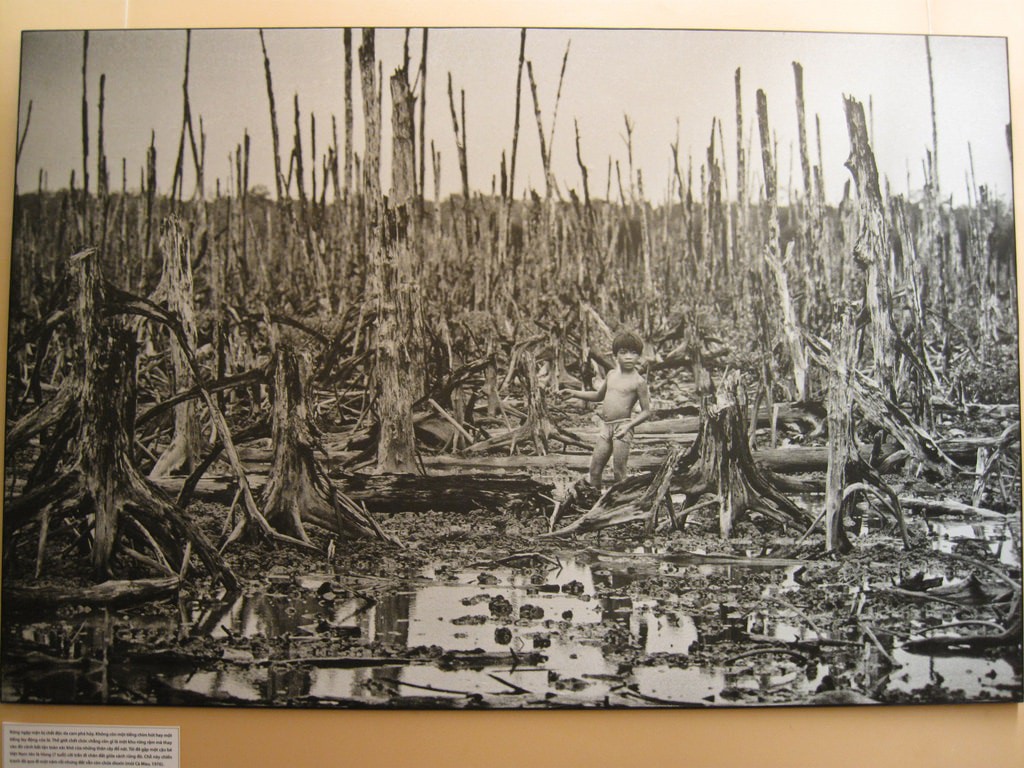
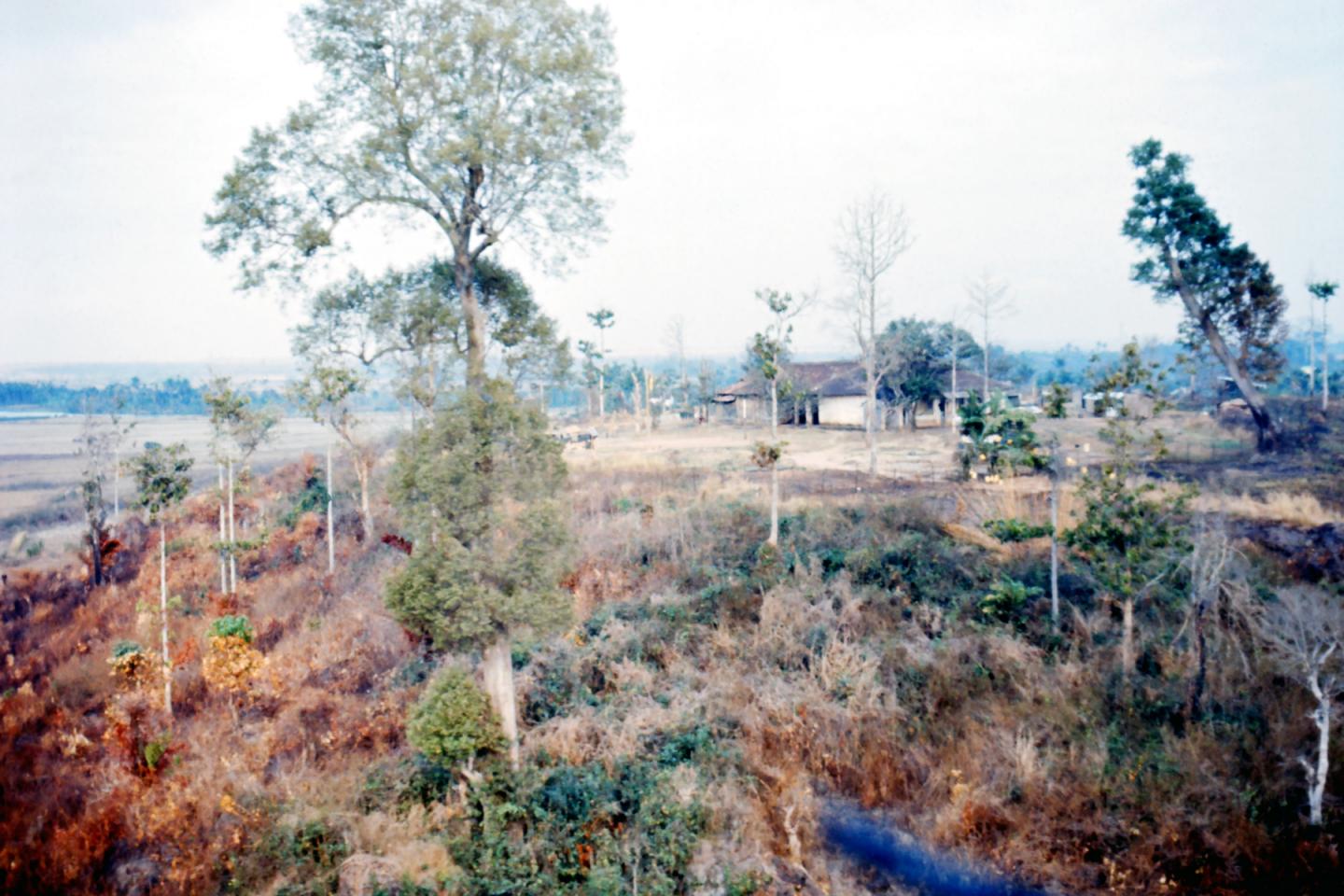
In the beginning, the appearance of botanical garden in Asia was originated under the Western colonialism, serving academical or aesthetic function while collecting and planting in a specific region. From landing, colonization to liberation, there were so many important historical events that causing huge impact toward the environment. During the Cold War, the U.S. military spread the chemical Agent Orange in the mid Vietnam. Within a week, the toxic defoliant had paralyzed the whole forest. When the eroded trees and lands could not absorb any water from the heavy rain, the floods and landslides increased, and the area experienced the enormous damage.

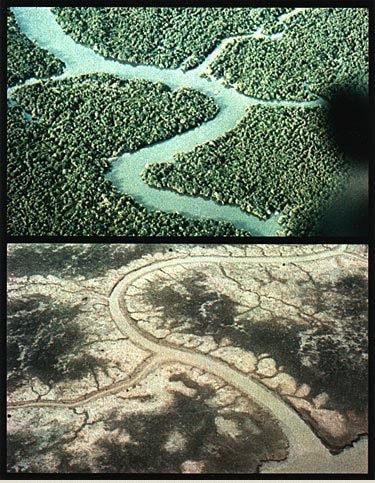
My observation is that the artworks related to ecology created by Southeast Asian artists are increasing in the recent decade due to the raising of environmental conservation awareness,, and gradually value the cross-disciplinary research and collaboration between science and art in their creations.
Last year, Doclab, an experimental film lab in Hanoi, Vietnam screened “Memory of the Blind Elephant (2016)” filmed by Vietnamese artist Phương Linh Nguyễn, who researched into the circumstances of French colonists planting rubber trees in the mid South of Vietnam. Through the eyes of an elder elephant, the silent witness, gazing at the ancient plantation, the film deliberates the turmoil due to the change of the indigenous people and landscape, reveals the human colonialism and slavery history.

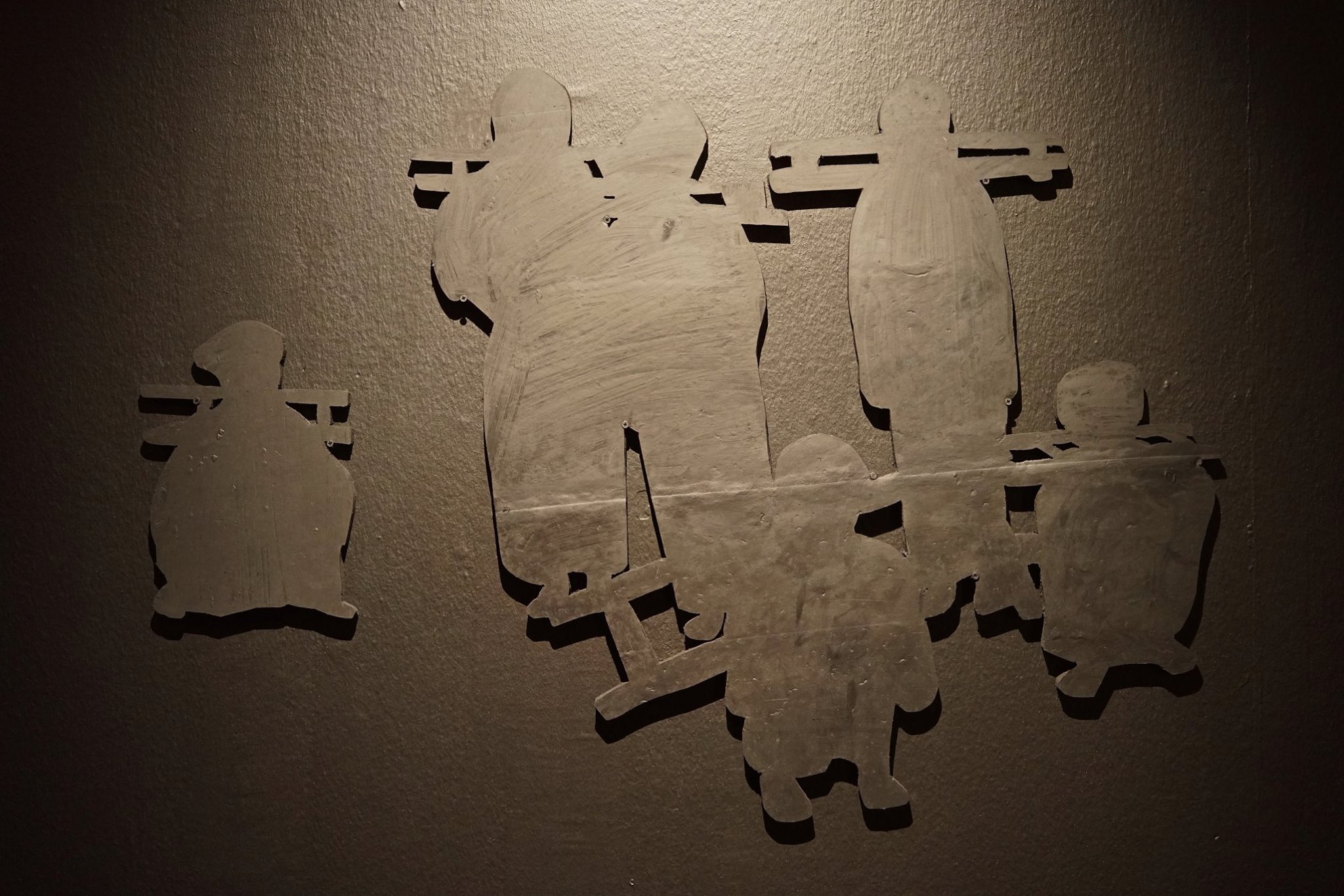

In addition, I, same as many other artists, was deeply influenced by Germany artist Joseph Beuys’ work, 7000 Oaks, since it was a significant avant-guard public art at the end of the 20th century. We all know that Joseph Beuys is an environmental protection activist. His works care both nature and society, transferring the emotions into the thinking toward art or society, and “make everyone an artist”. The process of planting oaks for 7000 times had built up the connections between human being and the surroundings. No matter in the city or outskirt, at the beach or mountain village, there are some continuous environmental issues waiting for us to pay attention to them.
Bagus Pandega |
Based on my artistic practice, the general relationship between environment and culture in Indonesia basically and traditionally are a really strong bond. Because of the modernization process, modern people see these environment recourses as a numerical commodity. These value and price tags makes human can decide and change the function of the forest. The money that the people/businessman has creates something like an ownership of the land, and makes them feel they can do anything with it.
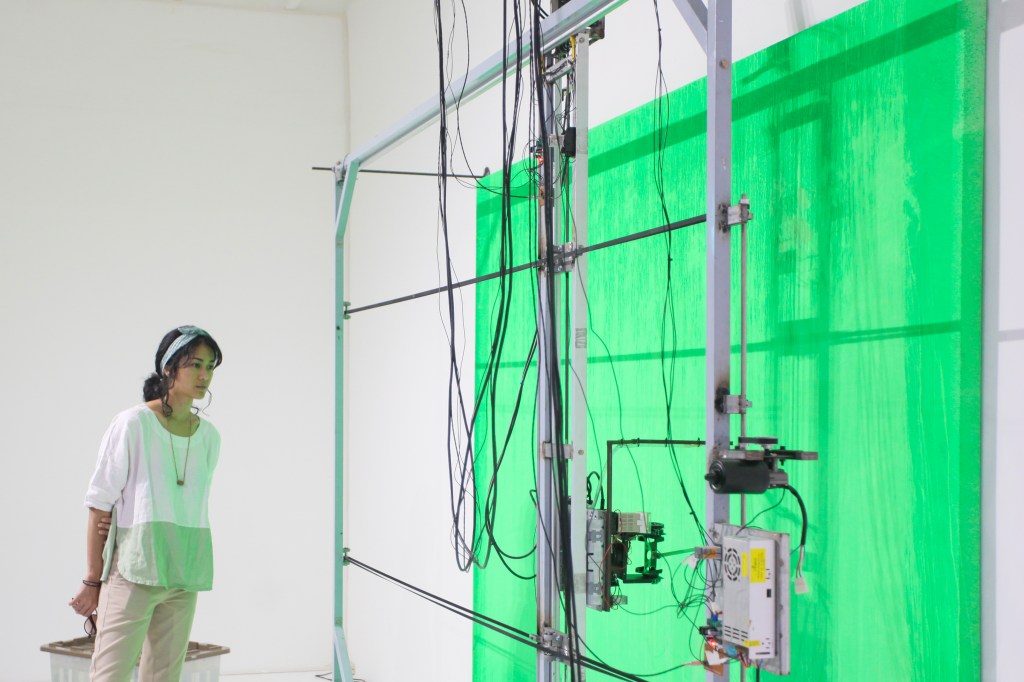
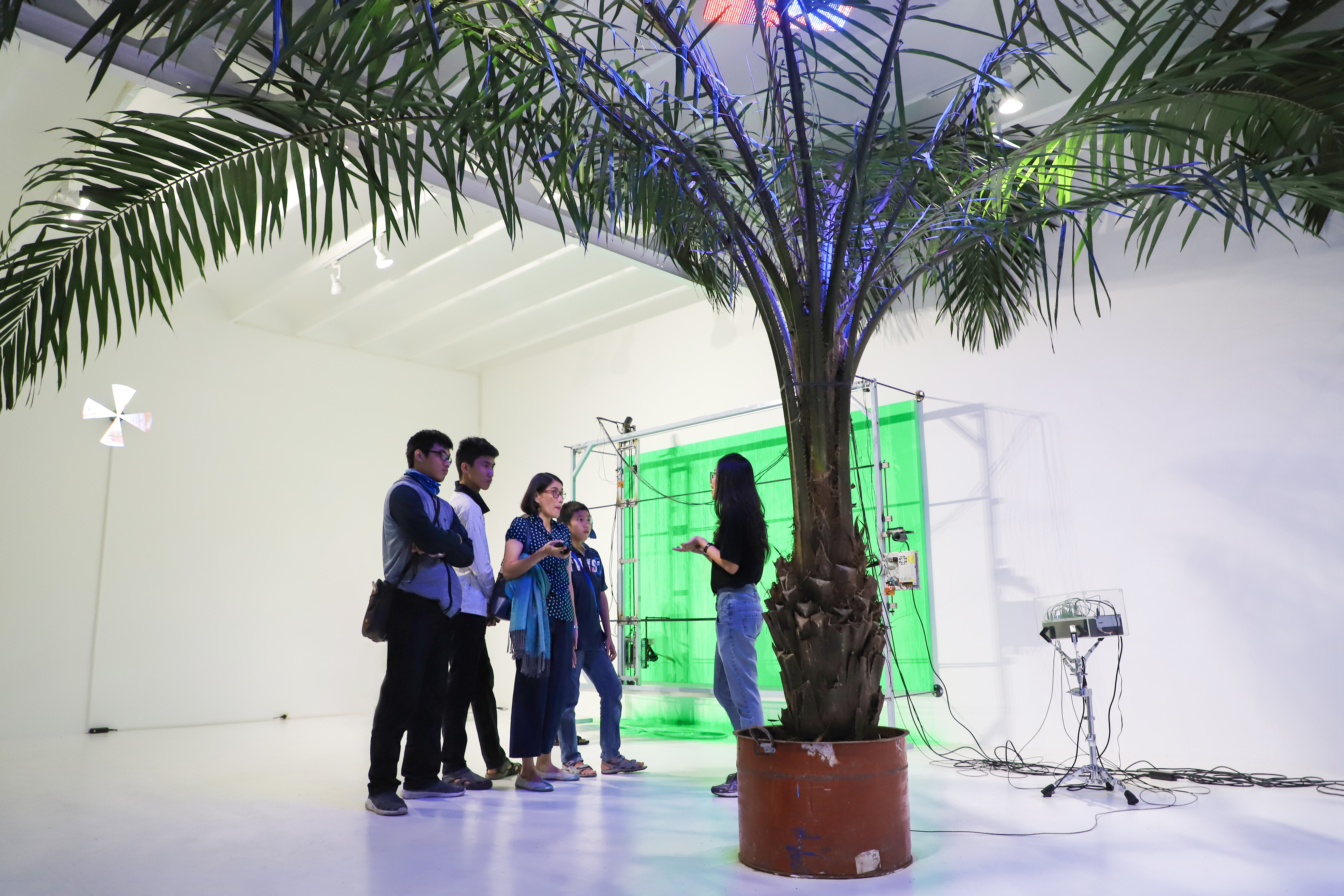

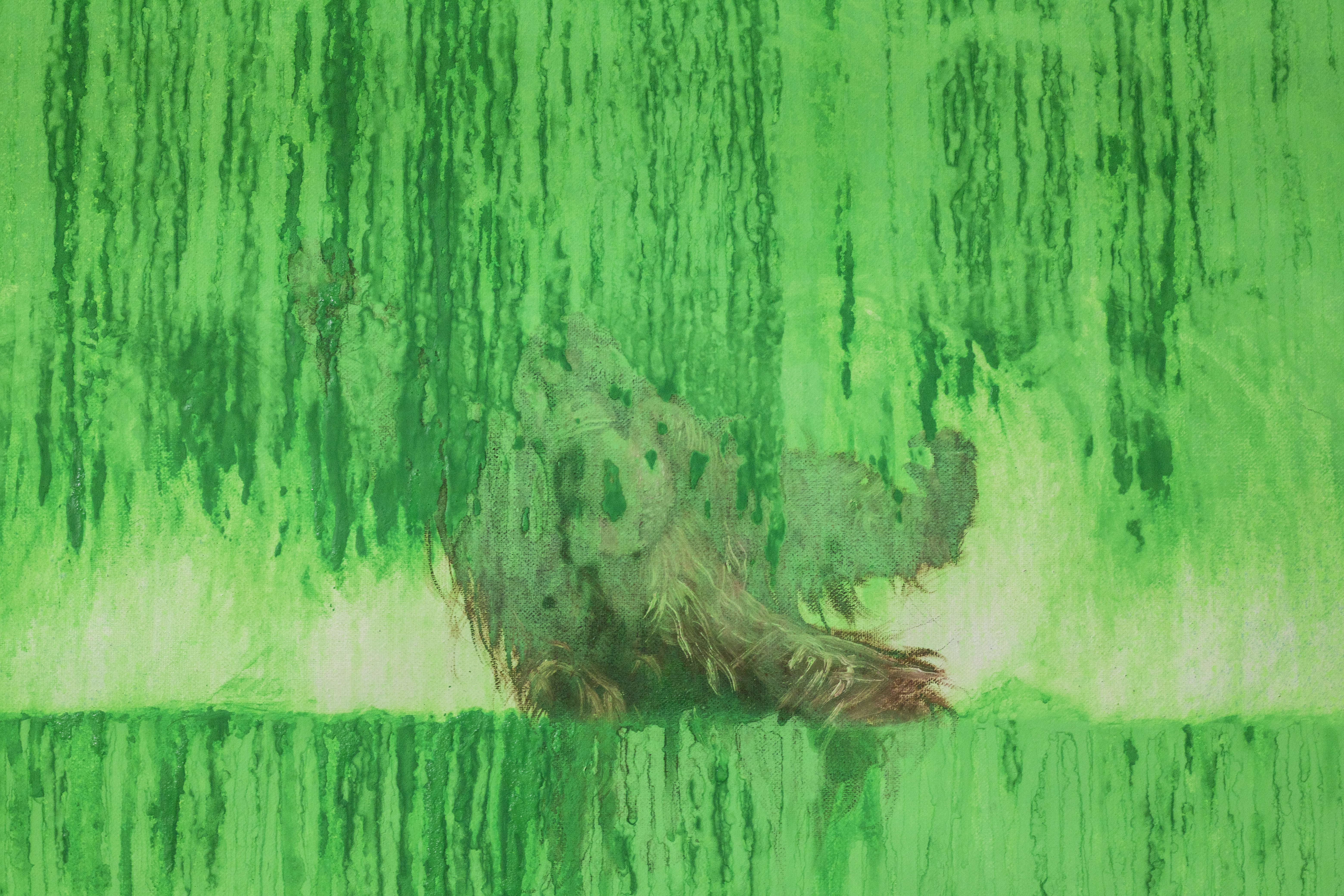

One of the triggers was a academic journal I read about the deforestation growth caused by palm oil plantation “What causes deforestration in Indonesia” from the Duke University research team. It raised my inner self concern regarding to this issue. And also my wife Kei Imazu, she’s always fascinated with Orangutan. Its one of her favorite wild life species, mostly because her concern is about evolution. There is so many similarities between orangutan and a human with 97% similar DNA. It means as a human, we have a deep natural bonding with them, and it will be our responsibility to protect their lives.
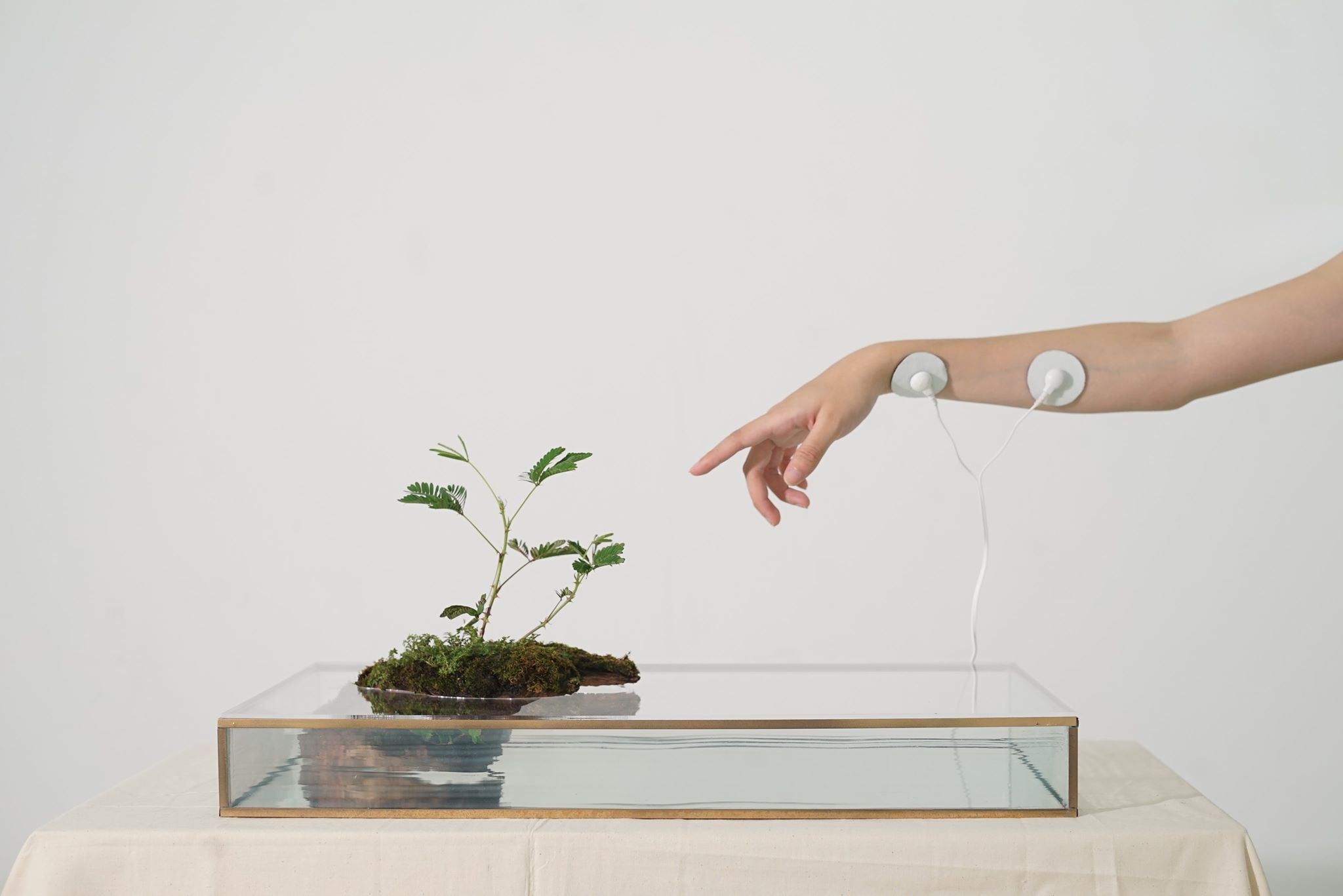
By my practice, I wanted to reach another audience from another angle. Not the angle that is always been target by the conservation team. And I don’t know if this work can provide any solution. We’re just following our intuition of our concern and making this into an Art installation.
CHANG Hsiao-ling |
I started to participate the art projects responding to environmental issues after I joined Bamboo Curtain Studio. As a coordinator, my role is to encourage the cross-disciplinary collaborations, offering opportunities, environment, resources, and creating spaces for open discussion to the residency cultural workers. To me, the development of culture is based on how human beings see and treat the environment.
The ecological conservation is actually a very contradictory and struggling process, and what we expect is to seed the “awareness”. The seed will tell you that nature is not only a resource provider. It’s the fundamental of everything, including the essence of culture, which makes you be part of it. Although I don’t have many profound insights into environmental issues, I believe that to grow the seedling of awareness, you must begin with “participation” and “perception”, which art can bring about. Open up your five senses and think out of box, Art is always leading you to contemplate and respond in a gentle, or harsh, or humorous way.
Host |
Next, let’s talk about art and ecology.
Q2: From which perspective in your research and artworks do you present the artistry?
LEE Yi-pei |
I like to get close to nature and feel its greatness comparing to the smallness of human being, and that have impacted and overturned my thoughts. I was major in Economy and Fashion Design at school, therefore, my point of view to investigate into the relationship between one individual and the others usually comes from the knowledge of microeconomic when developing a project or an exhibition. Meanwhile, to me, art is always dealing with the issue and process of “reflecting the truth”. Through Aesthetics to reconstruct a society with real perception, the meaningful actions can really get more attentions and participations, and that’s how to “make everyone an artist”.
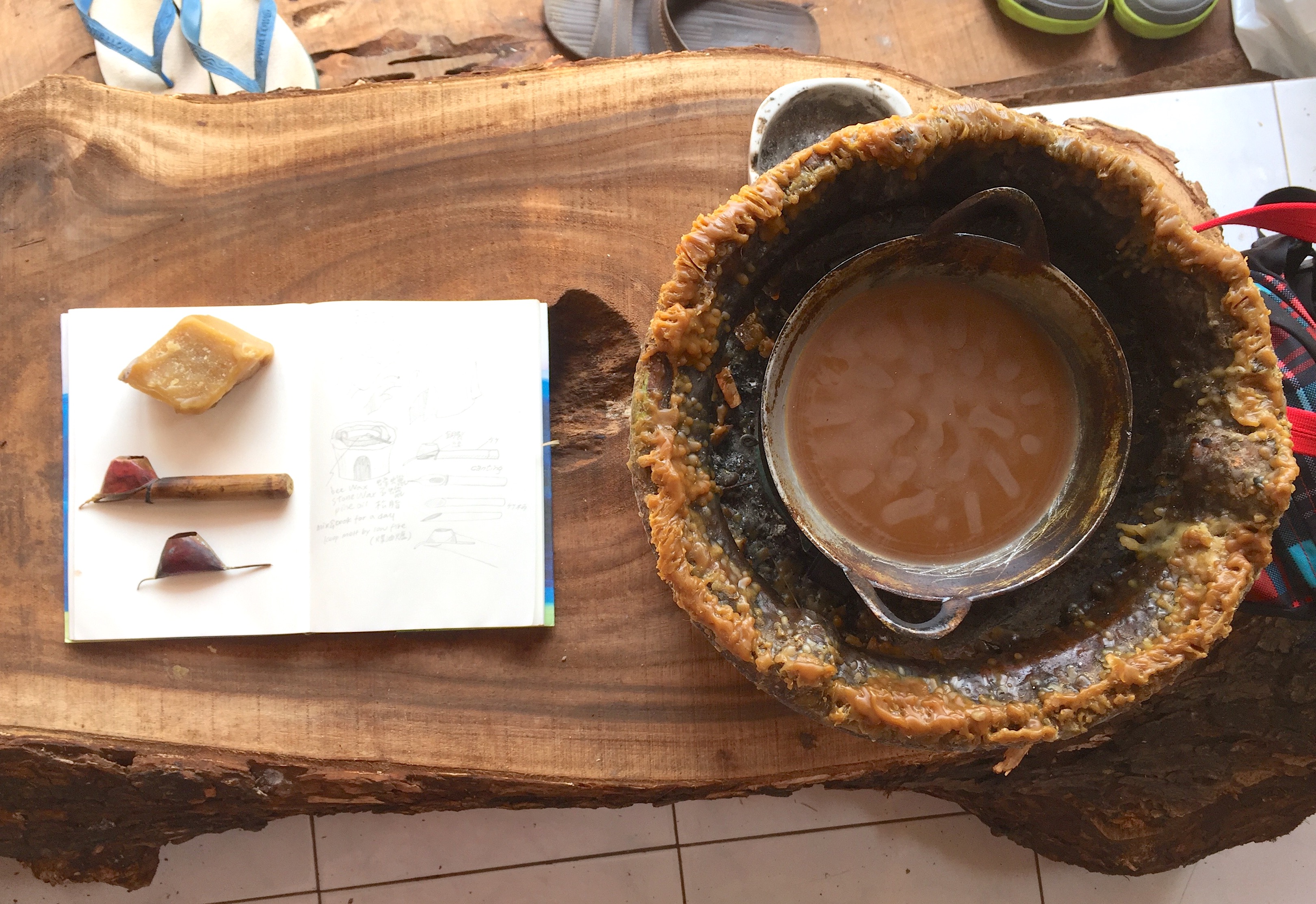
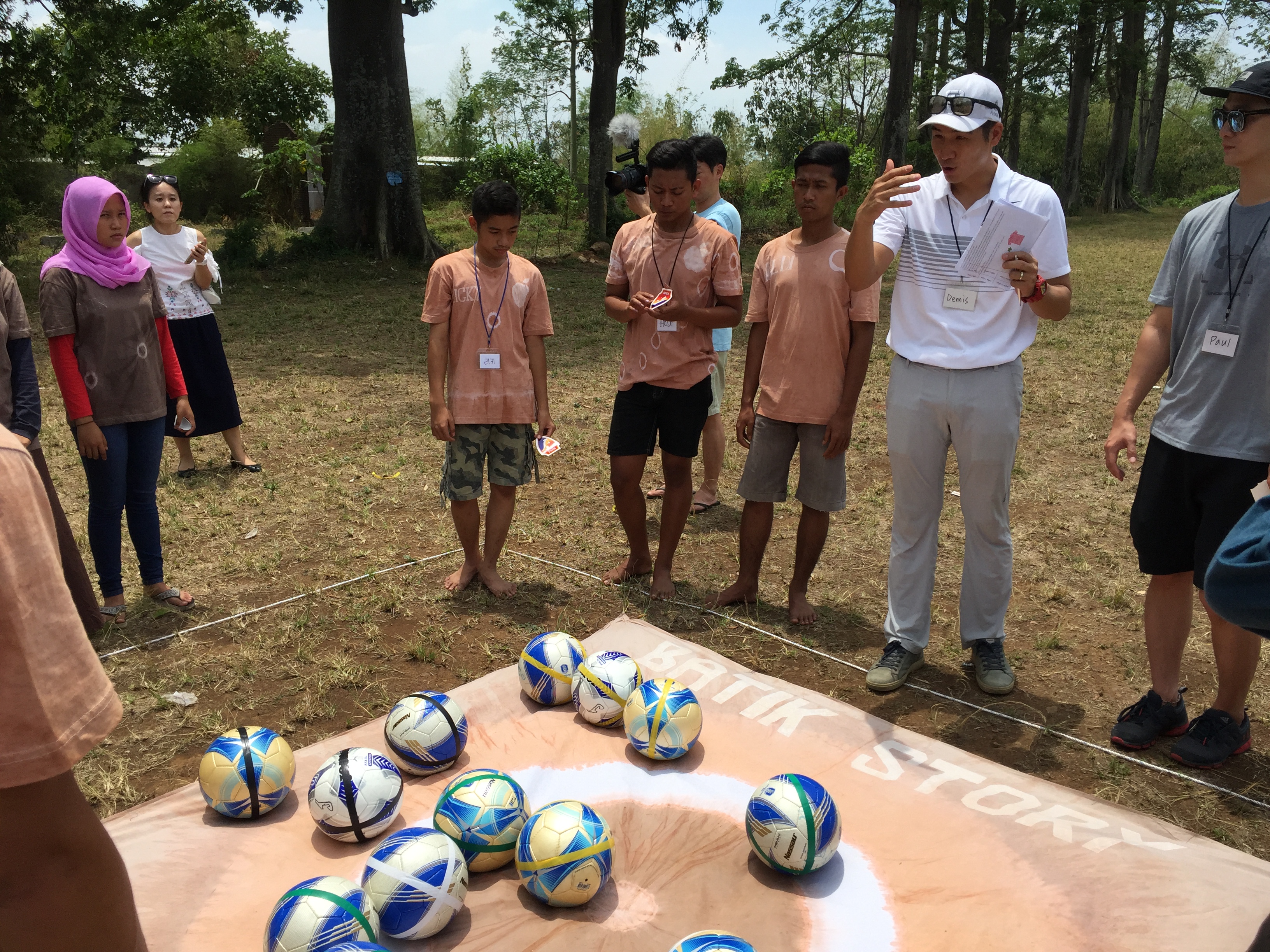
In 2017, I participated in a Batik project in Surabaya, Indonesia, initiated by Total Museum, a Korean private museum. The curator, Natalie Shin invited athletes, architects, photographers, visual designers and artists to remote communities and meet the manager and students from Batik schools. We have not only learnt how to recognize the plants, and make Batik with natural materials, but also, with our various cultural backgrounds, “exchanged”skills with locals such as how to use domestic sewing machines, how to play curling which you can only find in the countries lie in the frigid zone, how to think about the social impact of art, and what could the ecological scenario be under the sustainable management.

In 2018, I curated a public-engaged installation art performance with Indonesian artist, Aliansyah caniago, in Taipei Botanical Garden. We developed the concept from Camphor trees. The artist’s hometown is in Sumatra. During the time of Dutch East India Company, the camphor was even more valuable than gold. The camphor products was sent to Holland from Indonesia, and then spread to whole Europe, which endangered the camphor trees due to the deforestation. To the artist, this is a forgetting history. In Taiwan, camphor trees became main products exported to Japan when under their rule. Our collaboration reminded the artist the existence of the camphor tree, and simultaneously assembled the history of camphor trading in Asia.

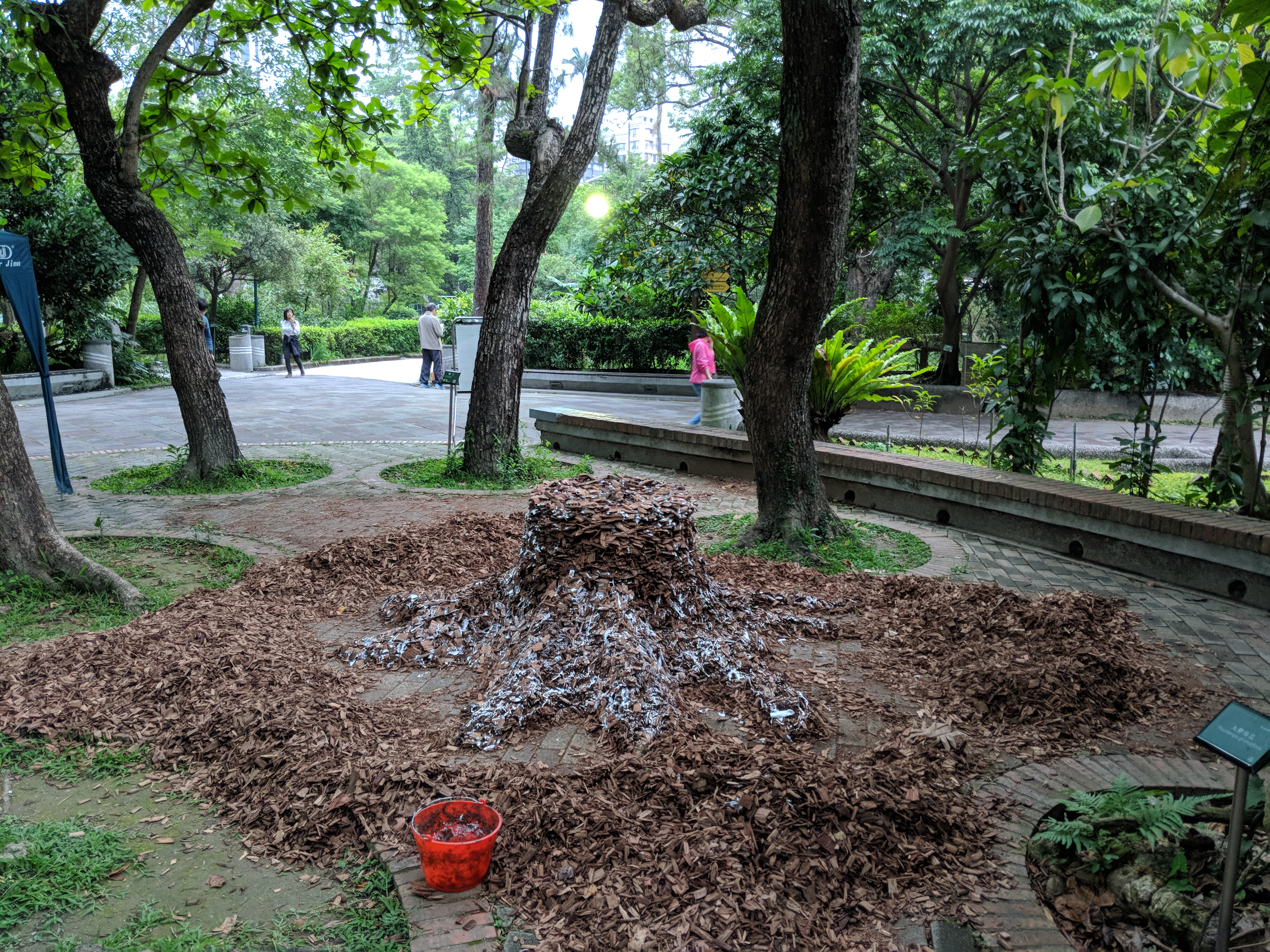

In this project, we visited the camphor factory which still follows the ancient technique from Japanese colonial period. We re-used the oil-extracted chipped wood to simulate the eldest camphor tree in the botanical garden, and put a rootless tree back together in the performance. Botanical garden is the most perfect garden in the visitor’s mind. Therefore, they were attracted by the aroma of camphor wood while exercising, walking, bird-watching, and then curious about our concept. The site-specific participation and creation of a residency artist help us to realize the meaning in the current time and space, to present the artistry in botanical garden playing a role of museum and educational institution.
For me, both these two projects hinted that the fundamental of culture and consuming behaviors come from the natural resources, and the reflections and collective behaviors will definitely affect the future development of the environment. In the rainforest project, I hope it can continue at least for 3 to 5 years. The members, not only join as an artist or observer, or professional from any disciplines, but also to rethink about the living space, industry, human and the lands, or even environmental conservation. From this aspect, it has crossed beyond the personal emotions or individual relationships. It will build up connections in the group, and make the cross-culture, cross-border, interdisciplinary conversations happen spontaneously. In other words, human beings are not the dictate of nature, but the one flipped by nature.
CHEN Ke-ting |
I’m an ethnobotanist. In the recent years, I feel that the new generations are emphasizing the ecological diversity and sustainability, which means there are more cross-disciplinary collaborations are taking place. For example, my subject in the Department of Plant Pathology was Lichen, a cross-disciplinary system, the symbiont of fungi and algae that each takes what it needs and supports each other’s live. I approached more Humanities when stepping into the field of Ethnobotany. For instance, while investigating into the relationship between human and plant in a indigenous tribe, I also researched on the plant usage in their religion, which brought about humanities perspective from the science background.
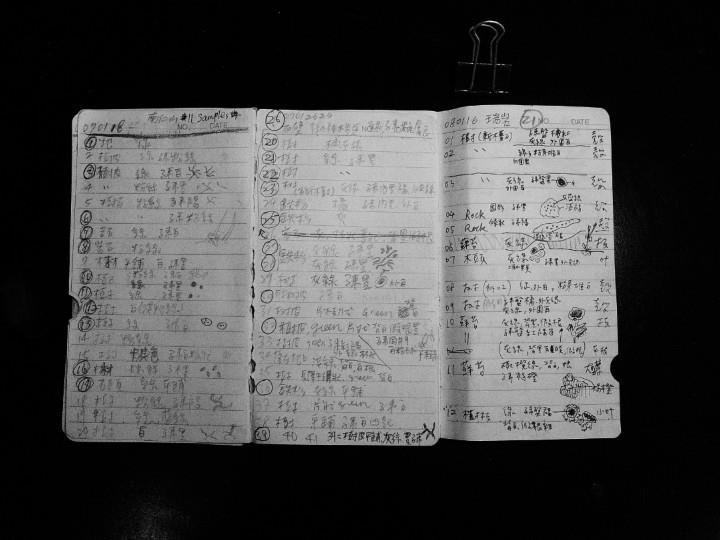
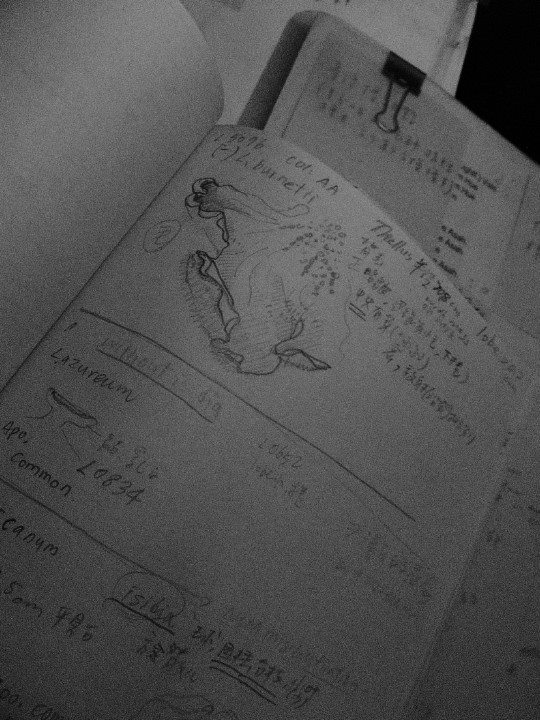
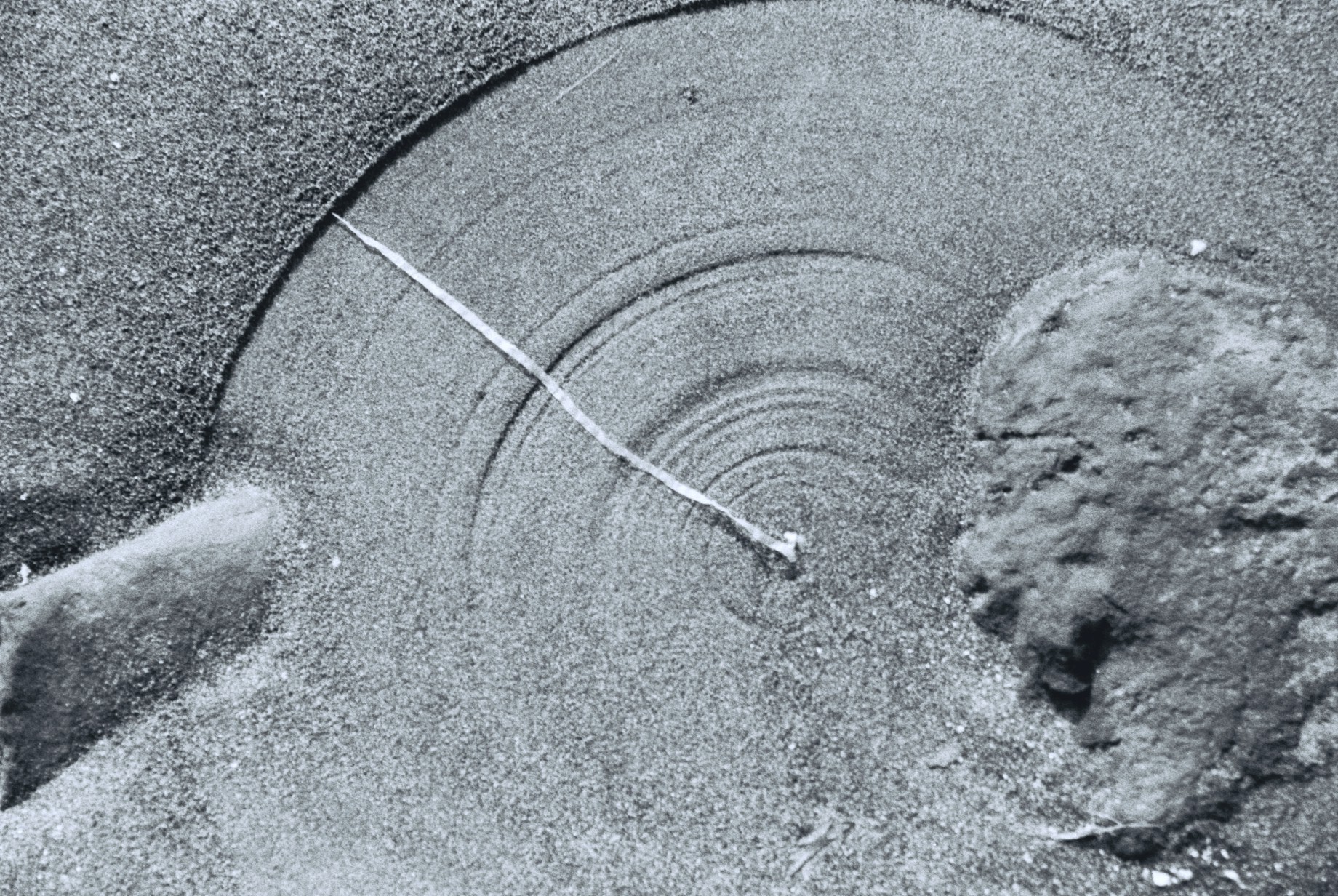
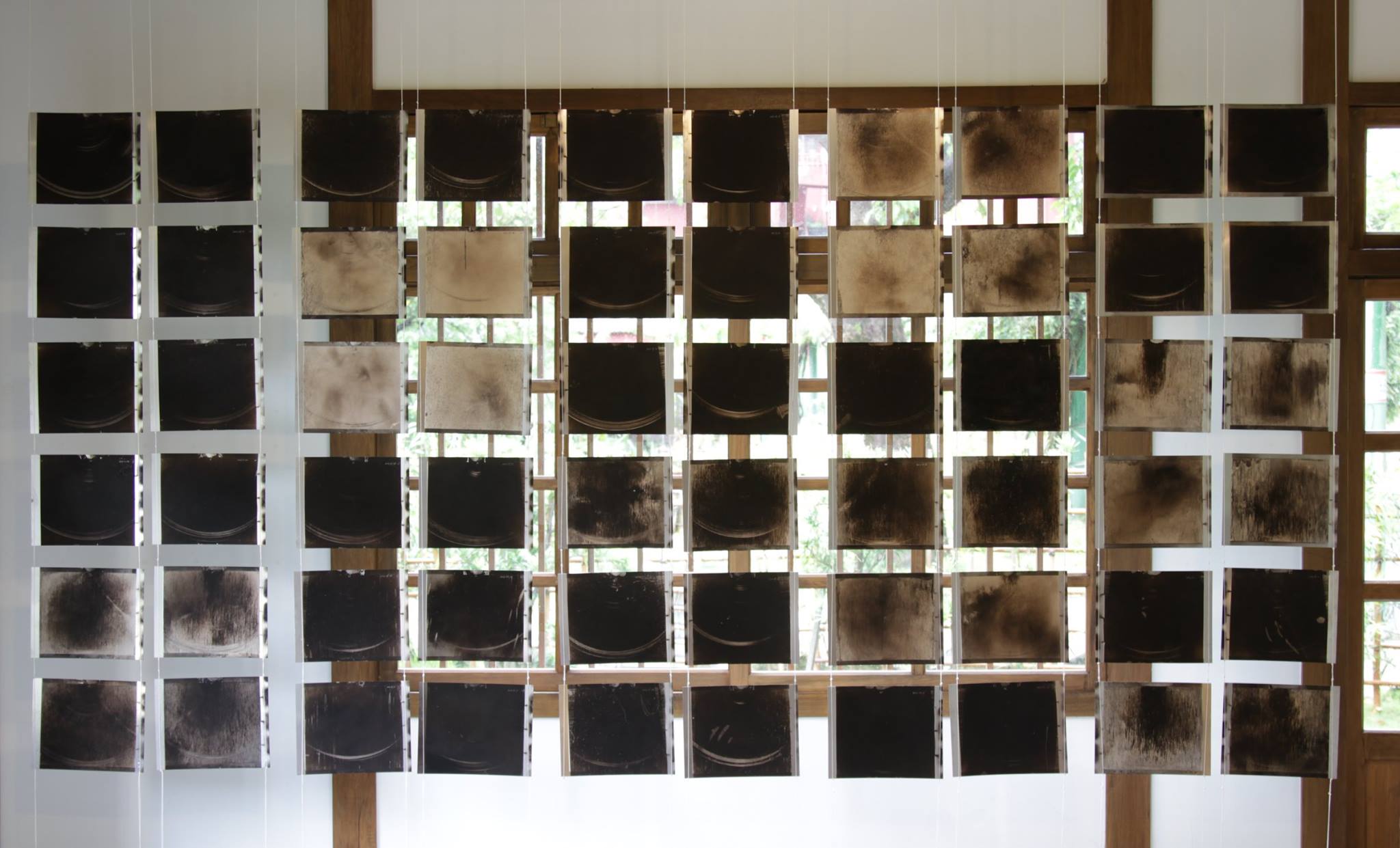
The outcome of interdisciplinary research were reflected in my artworks. For example, the exhibition “Specimen of Time" in a Japanese garden of Taipei Botanical Garden was presenting the different time phases through transferring the scientific data.

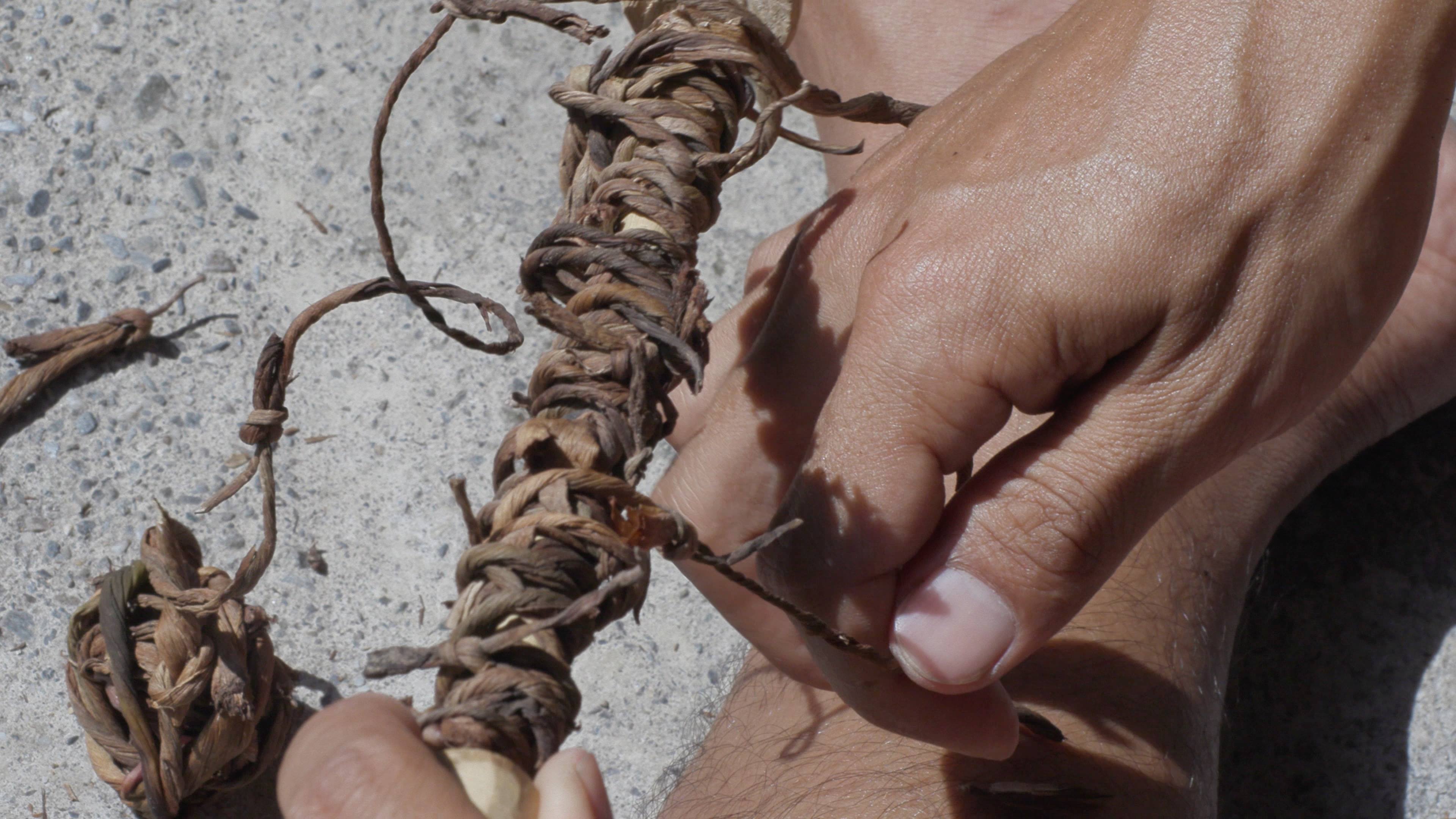
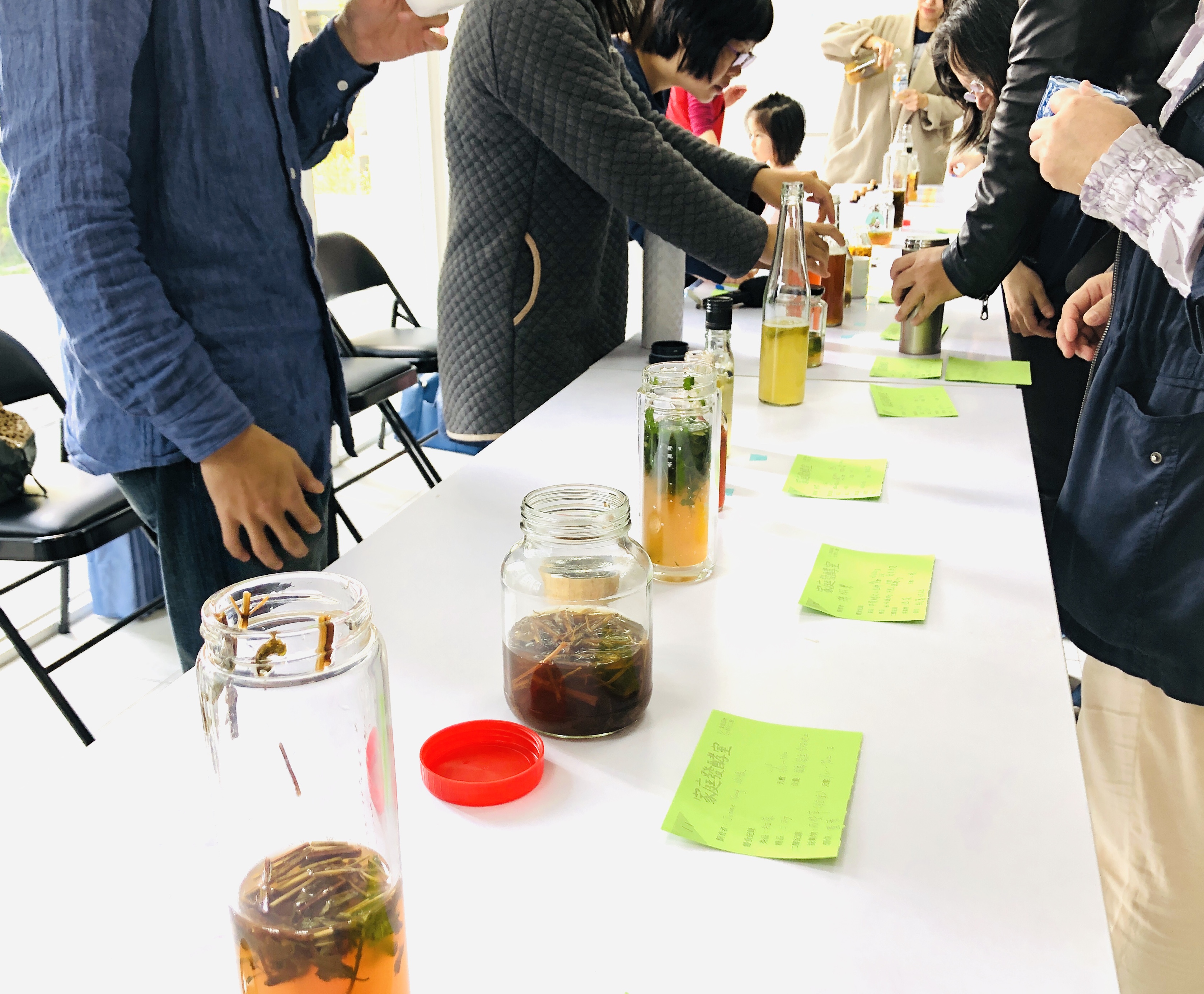
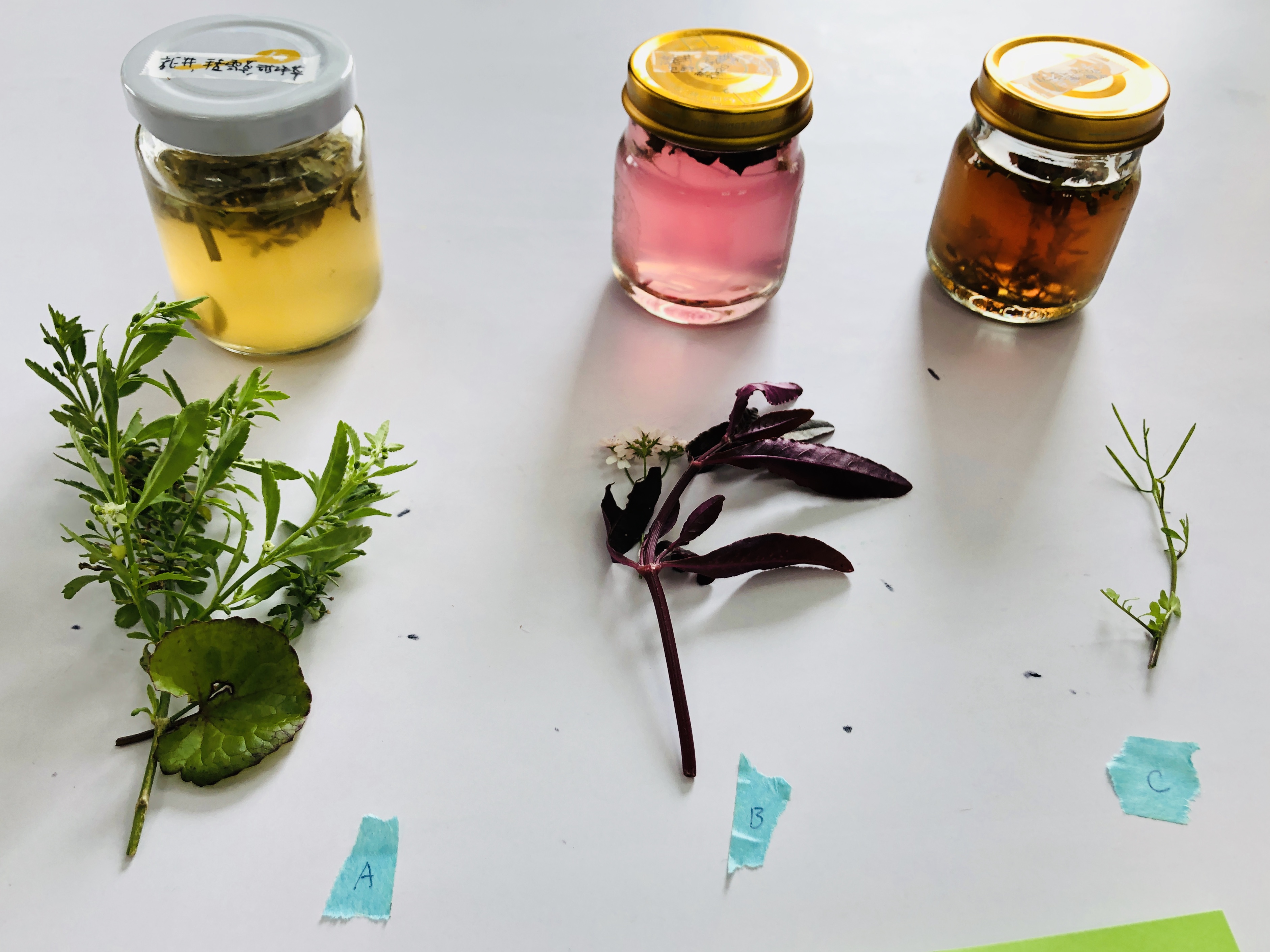
Another work “Carry", which was finished during my residency in Orchid Island, Taitung, was back to talk about field, ethnobotany, and the subject, plant – taro and human beings – Tao people and their lives. I tried to add up the discussion about how plants and human beings migrate together in artistic way. Also, my current project “Fizzzzzy Bang" talks about another ecological viewpoint, which includes the interinfluence and interchange among “human – nature – culture”.

Host |
Ok. Next we are going to share more about the challenges and incidents.
Q3: Why do you choose rainforest as your research subject? What fascinates you the most? During the whole process, what’s the challenge you are facing? Does it make any changes to your ideas toward environmental conservation?
LEE Yi-Pei |
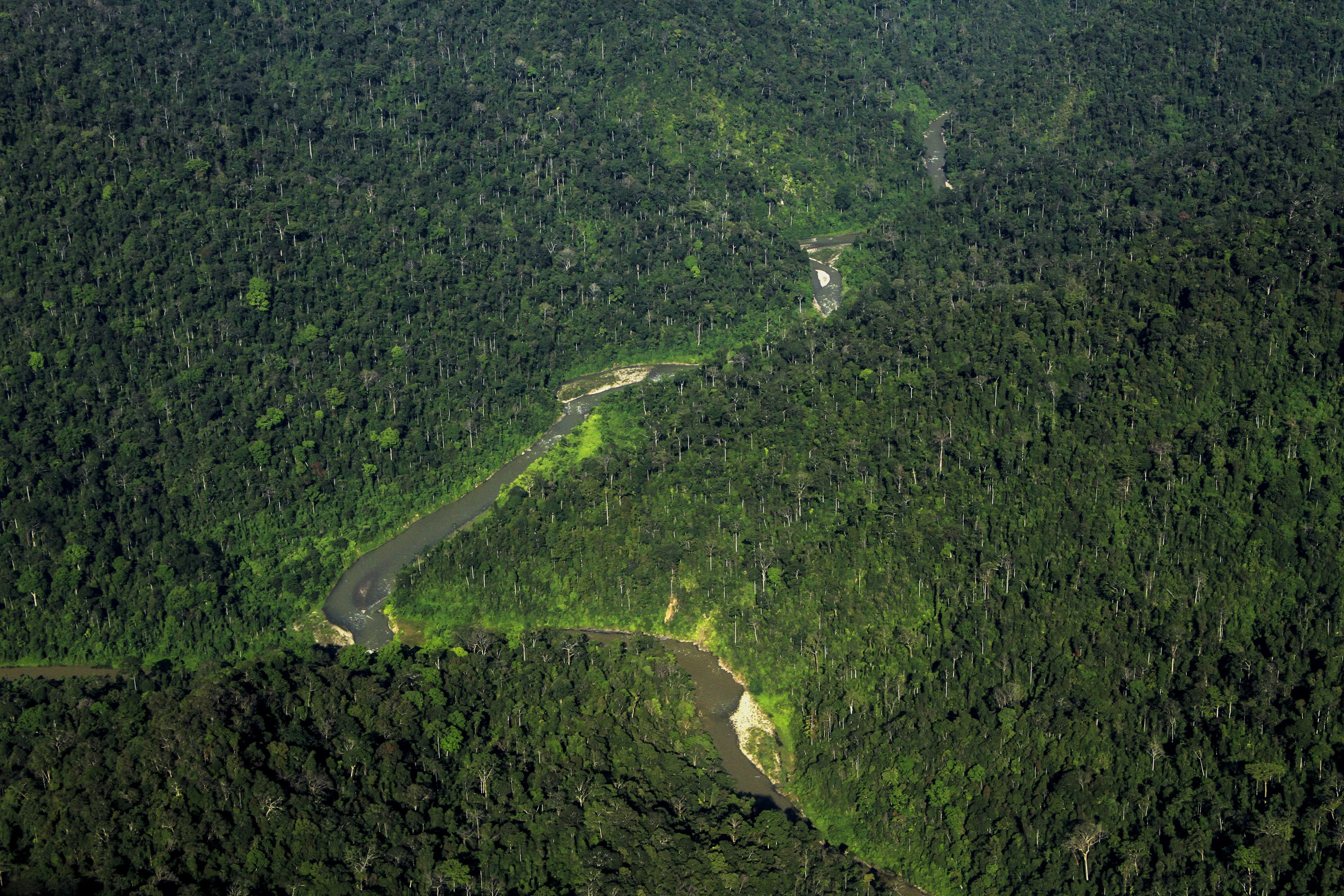
We’re so grateful for the support from my Indonesian artist friends to make “Seeding Future Project”truly happen. It gave us chance to travel to the Leuser ecosystem, the biggest rainforest and UNESCO world heritage in Sumatra, with abundant biodiversity and 2.6 million hectares land, equal to the 3rd times of the Yellowstone National Park.

HAkA as an environmental NGO, keeps working on the balance of human impacts in nature. When an organisation devotes itself into such a huge ecosystem, it definitely takes a lot of time and efforts on all the details, and that all happen here with self motivations.
To Suaveart, this is our first try to do a cross-disciplinary project in environmental field. As the host and curator, I’m super excited to manage the “artistry and representation”in contemporary art. From a botanist’s anthropological Ethnography ideology, the context under an International residency Institution dealing with environmental issues, to the beauty of nature in orangutan researchers and botanical researchers’ exploration, I represented the feelings, hearings, visual,writing, and cultural scenario during a short-term residency.
Before we entered into the rainforest, we’ve noticed that the main damage of the ecosystem might come from the fast expansion of oil palm plantations, which the locals rely on for their survival. They are made to choose to hand over the precious natural resources under monetary economy. From this trip, we’ve learnt how to recover a forest from a oil palm plantation after taking it back, how to arrange the land into seedbeds ,and planted trees in the near land. It takes over 20 to 30 years to renew a few hectares of forest. We almost forget the cost behind the satisfaction, and this triggered our idea that “actually the rainforest is not distant at all.”
Where can we see “rainforest” in the daily life? Think about it, the ingredients for cooking such as nutmeg, clove, cinnamon, pepper, vanilla, oil palm, coconut, coffee, coco, the common materials in daily life such as rubber, red sandalwood, medicine, petroleum, mineral, also the clothing, shoes, and electronics made by the locals from the rainforest who make a living in the factories. We don’t even need to mention “environmental conservation”as the imagination has already brought us to a deeper level of thinking.

Bagus Pandega |
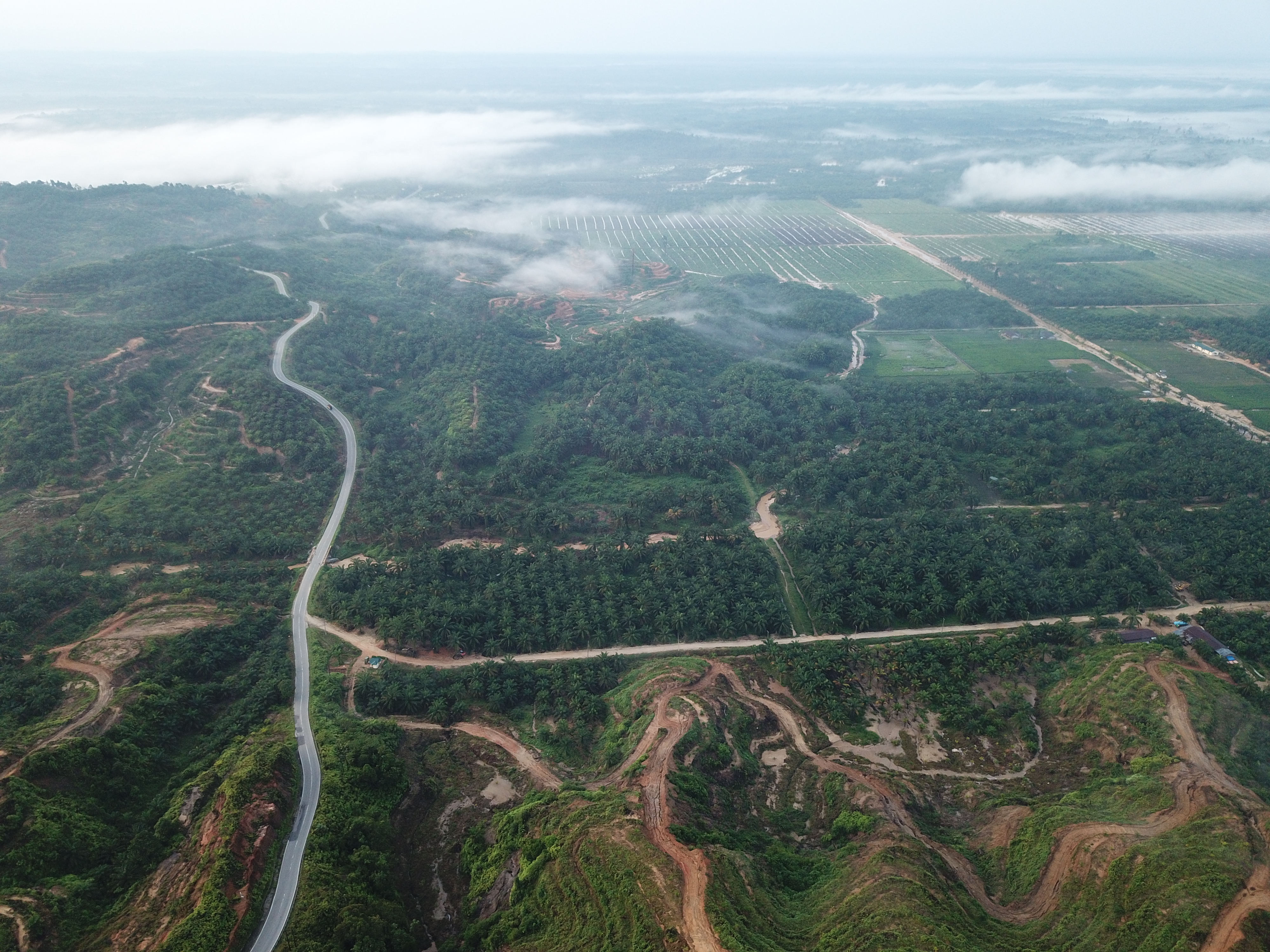
The reason I choose rainforest as the concept of my artwork is because it’s the main environment of my country, but there’s not so many concern regarding deforestation issues. People quite to ignore with what is happening with the rainforest. The country infrastructure development is one of the main programs in the past decade, mining activity and the palm oil industry is a significant contributor to rural income in Indonesia. To open the land for the oil plantation mostly done by burning down the forest, it’s more effective and cheap for the run. But the side effects for the environment are very bad. So many rain forest species lost its habitat, not only for the rainforest species but also for human living close from the rainforest that have to deal with the smoke, it creates another health problem.
What makes me fascinated by the rainforest is because of the richness provided within it, it’s a precious treasure compared to boring homogenized palm trees. Orangutan, one of the natural inhabitants of the rainforest then will become a pest for the palm oil industries. Rain forest is a natural oxygen factory, where in the time the world is industrialized and polluted. The rainforest will keep giving us natural oxygen. And its more valuable than all the money in the world in the future, if human keeps continue to exploit the environment.
For now the challenge is how to build the awareness of the rainforest importance, how it’s more valuable than mining resource and also palm oil. So many NGO has started this act, but they really have no power against the corporate. And also you can’t deny the needs of money for the locals. Palm oil companies can provide that.
Environment conservation is really important, we have to live together with the environment, not cutting down and exploit the environment. It is more worth than a diamond in our future.

CHEN Ke-ting |
Beside of the interweaving and complex biodiversity, to me the most fascinating part of rainforest in Sumatra is the role that human beings play. Especially In Soraya Research Station, when seeing the secondary forest, I was surprised that nature is able to recover itself in an amazing speed after the damages including tree felling and oil palm planting. We’ve seen how the researchers grow tropical fruit trees on the lands that had been taken back for the ecological restoration, and how they collaborate with each other in nature.
I felt that human cannot be erased in the ecological networks. However, we are just small part of it, and can never be the ruler. Human behaviors influence other creatures, and nature itself will keep changing to meet the dynamic balance. We can only try to make the change smaller, but not completely deny it. Through the learning of indigenous people from nature, I’m hoping there will be more ecological knowledge to be shared and used on environmental protection.

CHANG Hsiao-ling |
Every story in this trip seems so surprising to me. I woke up in the morning, strolling in the backyard, a monkey walked out while yawning just like me. We saw each other, and frightened by each other. Or, I put my hand in the water to feel the cool splash on boat, and then I saw a crocodile resting nearby us. The daily life of rainforest shows a strong comparison to mine original life. The most impressive challenge was actually my self-understanding, including the body training and reverse thinking. I found out how I was unfamiliar with my body when entering into the rainforest everyday, and I didn’t know how to use it well and take good care of it.
However, my body adapted to the environment even faster than I “thought”. Within few hours, it has thrown away the fears and found the balance. I could walk on the single-plank bridge, dodge the swamp, observe orangutans closely follwoing the researchers, and support my teammates. These are very special experience that I’ve never been through in office, that my fingers for typing are probably the most frequently used body part in my daily life. In this trip, I recorded all the sounds in the forest and research stations, gibbons, hornbills, river, calling, sweeping, guitar, and then wrote descriptions for them. You see the green at the first sight in the rainforest, the residents are hiding on their own way, and the sounds suddenly dominate the perception, flipping the city life full of visual stimulation, and inspired me a lot.
When we say “environmental protection”, it seems that nature is smaller than human being and in a vulnerable position. However, in the rainforest, to live in nature and know more about nature, people minimize themselves, attach and adapt to nature, as a grain of salt jumping into the ocean. It’s very hard to fully understand until you experience it. Nature can provide you much more than the resources or the nutrition to develop culture. It’s more about how you see the relationship between yourself and the world.
Iraham |
I have always been fascinated by Forest. growing up, I hear the stories about forest that shrouded in mystery, and the mysticism of the wildlife that lives within it. I always hear stories from my grandparents about the importance of protecting wildlife. Why they are respecting beings, as well as why the forests are essential to our lives. Many communities in Indonesia, especially those that earn settlement scene of forest, mostly have local ways of calling charismatic wildlife on this kind of respect.
Having lived most of my life in small cities and abroad, those stories were mostly forgotten, but they are translated into an environmentally friendly life. Those stories came back to me when I started working at HAkA as a social media assistant. with a goal to raise awareness on issues and importance of protecting Leuser Ecosystem and Aceh columns, it provide me a reminder again to those stories that my grandparents told me. Before HAkA, rainforest and wildlife were just stories for me, after HAkA, I had the opportunity to go to the forests, be in the wild, and lay my youngest of fascinations.
Going to forest give you a different of aura and energy that is very hard to explain. It gives you a sense of understanding while maintaining the balance of the ecosystem is crucial for our lives. The water, the clean air, the wildlife, they all play a role for our lives, and it is our duty as human to protect ourselves and others. The challenges that I face in creating content and or discussing environmental issues to others is that, it often takes a long time for them to understand the connections of the importance.
While there are lots of people to understand the importance of the environment and forest in our daily lives, many do not see it as a pressing matter that is urgent, and is not need their action. Something that is baffling for me in the era of climate change. Constant patience, and openness to discussion is how I dealt with it and it is working honestly.
My whole experience that taught me the environmental conservation is a pressing matter that requires everyone’s contribution to achieve it. It can be the smallest contributions in living in more eco-friendly life using less plastic or write stories to protect the environment, or be underground to protect wildlife and its habitats. Everyone has their role and can pick their actions to save our world.
Host |
When it comes to cross-culture communication, art and environment is a very good subject.
Q4: Do you have any ideas or suggestions toward the cross-culture artistic collaborations? From which aspect do you hope the audience see your participation? What’s your next plan?
LEE Yi-pei |
There are many ways and targets while communicating the ideas of environmental protection. To me, art projects are actually a process to “reflect the truth”. It’s a soft media to present a serious issue through the power in different aesthetic forms in front of the public, showing the core impact of the environmental issues.
Due to the diversity of cross-disciplinary collaborations, which elevates the complexity when we are introducing this projects. From this angle, it’s not anymore the personal emotions or individual relationship. We start to care about the collective works, which provide creators more abundant inspiration, and increase the life experience of the participants, and encourage people to explore the message between the lines among human, nature, and society.
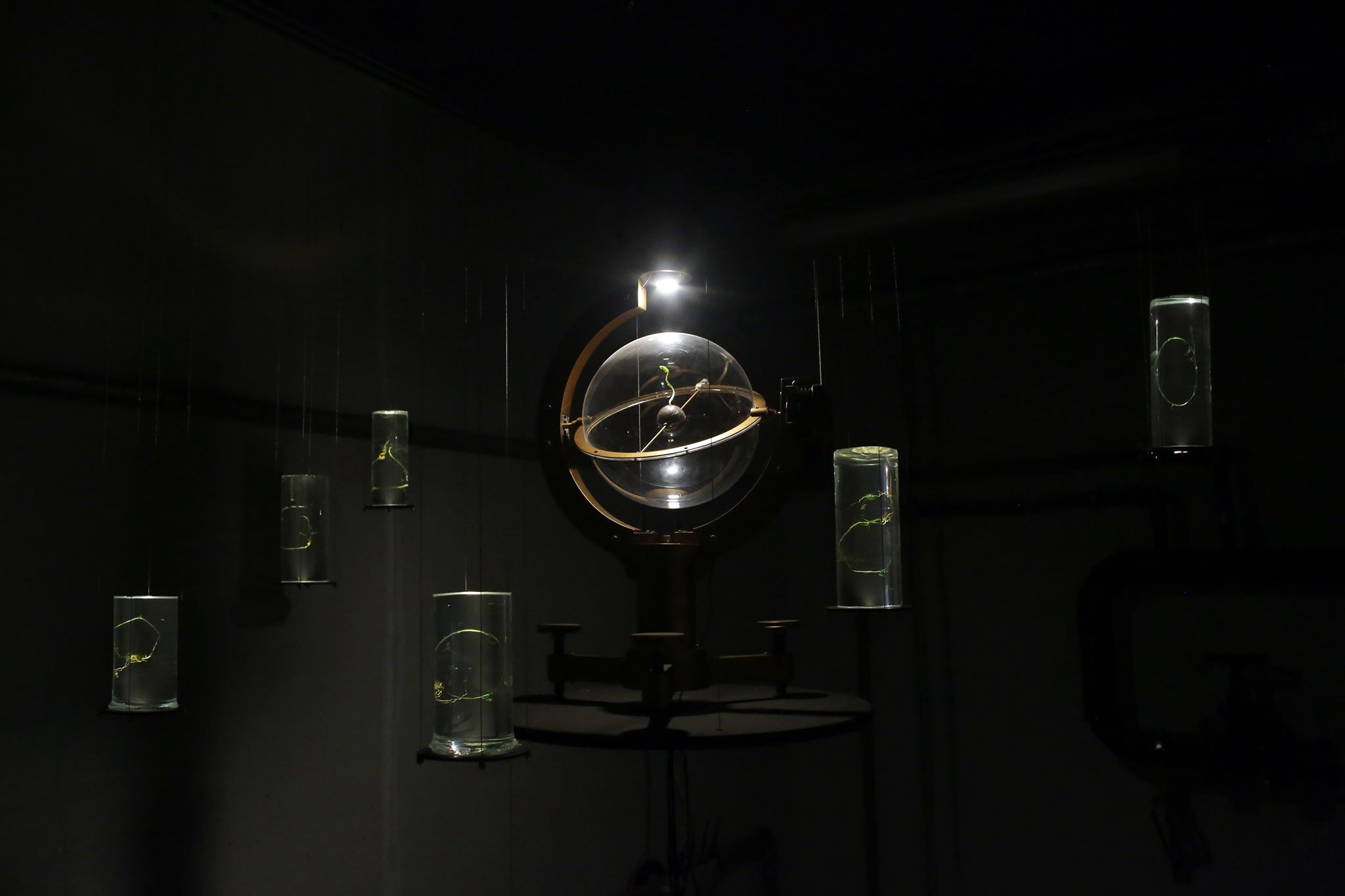
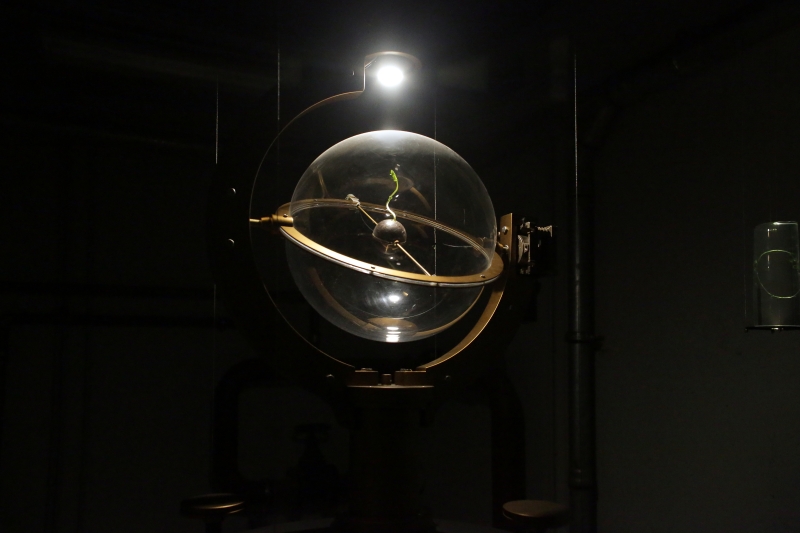
In my future art project, I’ll try my best to focus on the ideas about human and nature. One is “Is this eco-friendly?”, and second is “Can art play a role in the social and ecological systems?” The first question can help us to integrate, including “who we are? What do we do? Why do we do? When is the right time to do it?". The second question usually helps me judge, and do the right thing at the right time. For example, when curating an exhibition or artworks, could art be influential in another field, to another group to people? If yes, then practice the possibility boldly, and try to devote into the society from a perspective of aesthetic education.
Also, I hope that the epidemic situation can get better soon to continue the rainforest trip this year. We want to investigate into the specimen collecting, which is a crucial evidence in taxonomy and ecology, and bring out the interactions that rebuild the connection between human and earth from the bioart, and furthermore to meet the Filipino and Singaporean local art communities.

Irham|
As I mentioned previously, conservation requires everyone’s contribution. In Indonesia from my experience there is a gap in terms of using art as a mean to provoke environmental issue and conservation. You can see in certain places which is bali Jakarta and Bandung, but it is not as widespread at the moment. Art in this context is defined as a whole different of things, whether it is painting, sculpture, photography, and installation.
On the photography and the videography aspect, I think there have been many contributions to provoke environmental issues and conservation, but this is the lacking in other aspects such as paintings, sculptures, or many others. Art is a tool that I believe can provoke and touch people’s feelings to affect many different issues. I’ve actually seen that. To have more artists coming to forest and create art is mean of storytelling and communicate in social issues, social and environmental issues. I strongly believe that this will contribute significantly in conservation, especially urging individuals to take action.
CHANG Hsiao-ling |
This time, one of the main topic we are discussing is that “ the rainforest is actually not distant to you ”. Your every action in life, will cause an endless circulation, which also happens in every moment that art meets another field. I think there are many artists already owns the cross-disciplinary and cross-cultural background, no matter it focus more on art or the other. Cross-disciplinary communication could bring creators more inspirations and the caring toward environment, like the layer of the issues, the attitude and point of view, the location and materials you choose, the partners you work with.
When it comes to environmental issue, any details become very crucial and sensitive. Through the cross-disciplinary collaborations, the artists can deliver more profound and subtle messages, and any feedbacks from the audience will accomplish a interdisciplinary conversation. If we see this from the viewpoint of artist in residence, it’s actually our original intention and goal to help artists to build up connections with people they approach and get new inspirations.


Scan QR code to listen to Howart+
“Seeding Future: the distance between rainforest and us"
Online Talk/Podcast



Poster Design: Helen|Video Production: Murphy
Series Planning & Audio Production & Text Arrangement: Jolie|Editor: Yuru
Address: No. 1, Lane 2277, Zuchongzhi Road, Shanghai
Website: http://www.howartmuseum.org
 Seeding Future